- Accept card payments – lowest rates from 0.27%
- Keep your card processing fees to a minimum
- Direct access to the UK’s leading card processing banks
- We ensure your rates always remain competitive
No spam emails or calls
Choose from the payment methods then click Next
What's your turnover each month?
Enter the name of your company
Enter your company's postcode and contact number
Tell us what you need
Fill in our quick form and we’ll give you a call for a brief 5-minute chat to understand exactly what you're looking for.
Get tailored quotes
We’ll match you with up to three of the most competitive offers from our trusted providers that suit your business.
Pick with confidence
We’ll help you understand the options so you can choose the best fit — quickly, clearly, and without any pressure.




Payment Processors
International Payment Processors: A Look at UK Options
Best Online Payment Service Providers: A Complete Guide for UK Businesses
In today’s digital-first economy, online payment service providers are essential for businesses of all sizes. Whether you run an eCommerce store, a subscription-based service, a freelance business, or online businesses, choosing the right payment processing solution can impact your cash flow, customer experience, and overall growth.
Online payment services include various features and pricing structures, catering to different business needs and transaction types.
This guide covers everything UK businesses need to know about online payment systems, including:
-
The best online payment service providers in 2024
-
How payment gateways and payment processors work
-
Key features like recurring payments, fraud detection, and international transactions
-
Transaction fees, monthly fees, and hidden fees to watch out for
-
How to accept payments online securely and efficiently
1. Introduction to Online Payment Systems
Online payment systems have become an essential component of modern commerce, enabling businesses to accept payments online and expand their customer base. At the heart of these systems lies a payment gateway, a technology that securely captures card payment data from a customer and transfers it to the acquirer for authorization.
Understanding the evolving payment gateway landscape is crucial for businesses, as it shapes the trends, challenges, and solutions in online payment processing.
1. What Are Online Payment Service Providers?
An online payment service provider (PSP) is a company that enables businesses to accept online payments from customers via various payment methods, including:
-
Credit and debit card payments (Visa, Mastercard, Amex)
-
Digital wallets (Apple Pay, Google Pay)
-
Bank transfers and direct debits
-
Recurring billing for subscriptions
-
Mobile payments and payment links
Modern PSPs are more than just a payment processor—they offer additional features and services to support the full payment and compliance workflow for businesses.
An online payment method refers to the various means through which customers can make payments, such as credit/debit cards and digital wallets. These providers handle the technical aspects of processing and collecting payments, ensuring secure online payments while transferring funds to your business bank account or merchant account.
What is a Payment Gateway?
A payment gateway is software that acts as an intermediary between a customer’s payment method and a merchant’s bank account. It facilitates online transactions by securely capturing and processing payment information, such as payment details like credit and debit card details, and transferring funds to the merchant’s account.
How Payment Gateways Work
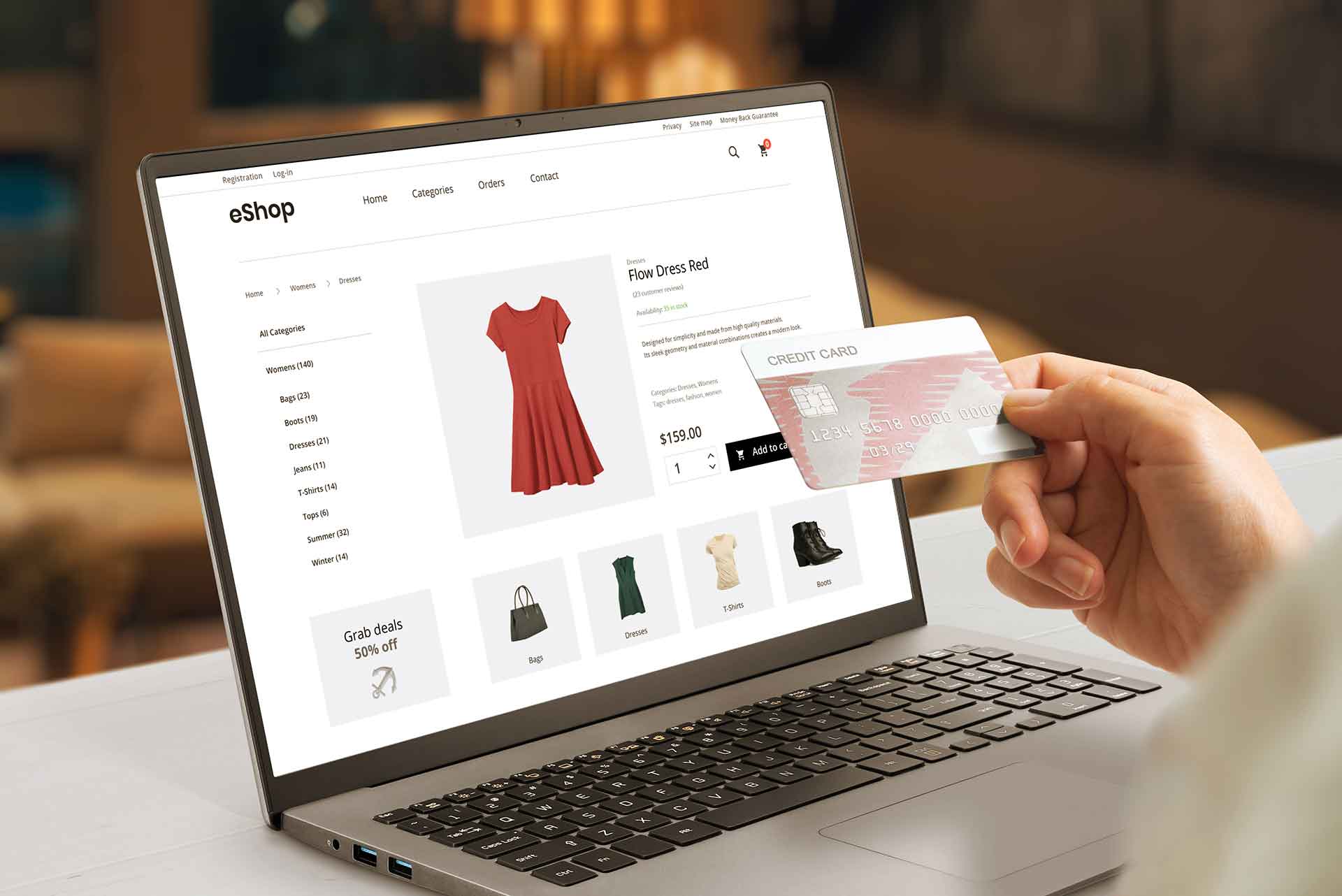
The payment gateway process involves several steps. First, a customer initiates a payment on a merchant’s website or mobile app. The payment gateway then securely captures the customer’s payment information and encrypts it for transmission to the payment processor. The payment processor verifies the customer’s account information and checks for sufficient funds. If the transaction is approved, the payment processor sends a response back to the payment gateway, which then notifies the merchant of the successful payment. If payments fail or there are payment failures, both the merchant and the customer are notified so they can take corrective action. Finally, the payment gateway transfers the funds to the merchant’s bank account.



Benefits of Using a Payment Gateway
Using a payment gateway offers numerous benefits to businesses, including increased security, convenience, and flexibility. Payment gateways provide a secure way to process online transactions, reducing the risk of fraud and data breaches. Advanced fraud detection tools are essential for identifying and preventing fraudulent transactions, helping to protect businesses from chargebacks and financial losses. They also offer a range of payment methods, including credit and debit cards, bank transfers, and digital wallets, making it easier for customers to make payments. Additionally, payment gateways can help businesses expand their customer base by enabling them to accept international transactions and provide a seamless payment experience.
Key Components of Online Payment Systems
- Payment Gateway – The technology that securely transmits payment data between your website and the payment processor.
- Payment Processor – The service that authorizes and completes transactions.
- Merchant Account – A special bank account where funds are held before being transferred to your business bank account.
- Payment Link – A method that facilitates smooth transactions by allowing customers to enter their details and approve payments through their banking apps, emphasizing simplicity and efficiency compared to traditional card processing.
- Bank Debits – A secure and reliable payment method that allows direct debiting from customer bank accounts, supporting multi-currency transactions and compliance standards.
Many providers offer more than just a payment gateway; they deliver comprehensive platforms with features like banking, international currency management, and automation tools for global businesses.
Some providers, like PayPal and Shopify Payments, offer an all-in-one solution, while others require separate integrations.
2. Best Online Payment Service Providers in 2026
Here are the top payment service providers for UK businesses:
When choosing a payment gateway, it’s important to consider multiple providers for redundancy and improved service. Many of these providers support global payments, offering international reach, multi-currency support, and robust cross-border transaction capabilities.
These providers are considered to be the best payment gateway options based on features, transaction fees, and overall performance.
A. PayPal
- Pros: Easy setup, global recognition, supports international payments, PayPal account integration, convenient for users with PayPal accounts, and allows payments directly from PayPal balance.
- Cons: Higher transaction fees, account holds for disputes, merchants using PayPal may incur third party transaction fees compared to those using integrated payment solutions, and additional fees may apply for international transactions and currency conversions.
- Fee Structure: 2.9% + £0.30 per credit card payment. Additional fees for international transactions and currency conversions may apply.
B. Stripe
- Pros: Developer-friendly, supports recurring payments, Apple Pay, Google Pay, and international transactions. Known for strong payments performance and reliability, especially for international transactions. Offers a comprehensive payment gateway solution with features tailored for developers and businesses.
- Cons: Requires technical knowledge for advanced features.
- Fee Structure: 1.4% + £0.20 for European cards, 2.9% + £0.20 for non-European cards.
C. Shopify Payments
- Pros: Seamless integration for online stores, no setup fee, fraud detection. Shopify Payments provides an own payment gateway that simplifies the payment process for Shopify merchants. Supports subscription management for businesses with recurring billing needs.
- Cons: Only available for Shopify merchants.
- Fee Structure: Starts at 2.2% + £0.20 per transaction.
D. Square
- Pros: Great for small businesses, mobile payments, payment links, no monthly fees. Particularly advantageous for small business owners due to its user-friendly integration options and no monthly fees.
- Cons: Higher transaction fees for manual entries.
- Fee Structure: 1.75% per card payment for in-person, 2.5% for online.
E. Worldpay
- Pros: Supports multiple payment methods, international payments, merchant bank account integration. Offers a variety of payment services tailored to different business needs.
- Cons: Hidden fees, long-term contracts, possible early termination fees if the contract is ended before its term.
- Fee Structure: Custom pricing based on business size.
3. How to Choose the Right Payment Gateway Provider
When selecting a payment provider for your gateway service, consider:
- Transaction fees: Different payment providers have varying fee structures. Some charge a flat fee per transaction, while others take a percentage of the transaction amount.
- Security: Ensure the payment provider complies with PCI DSS standards to protect sensitive customer data.
- Integration: The payment provider’s gateway should seamlessly integrate with your existing e-commerce platform.
- Customer support: Reliable and accessible support from your payment provider can help resolve issues quickly.
- Fund transfer times: Faster transfer times from your payment provider can improve your cash flow.
Selecting the best payment provider involves evaluating factors such as transaction fees, support options, and fund transfer times.
A. Transaction Fees & Hidden Costs
- Compare processing fees (flat rate vs. interchange-plus).
- Watch for setup fees (also called setup costs), monthly fees, and payment method fees. Setup costs typically include the initial expenses required to get the platform or service operational, such as account activation or integration charges.
- Some providers charge a fixed processing fee in addition to variable fees depending on the payment method.
B. Supported Payment Methods
Ensure the provider supports a variety of payment methods accepted, including:
- Major card schemes such as Visa and Mastercard
- Credit or debit card payments
- Apple Pay, Google Pay
- Bank transfers, direct debits
- Recurring billing for subscriptions
C. Security & Fraud Detection
- PCI-DSS compliance
- 3D Secure authentication
- AI-powered fraud detection
- Secure transaction processing to protect sensitive data during transactions
The finance team plays a crucial role in overseeing security, compliance, and fraud prevention to ensure all financial operations meet regulatory standards and protect the business from risks.
D. Integration & Ease of Use
- Does it work with your online store?
- Does it require technical knowledge?
- Is there a payment gateway software API?
- Are hosted payment pages available as an integration option to simplify checkout and enhance security?
- Is finding the right payment gateway solution crucial for seamless integration with your online store?
E. International Payments
If selling globally, check:
- Multi-currency support
- International transaction fees
- Using a UK payment gateway can offer advantages like ease of integration and flexible transaction processing for UK businesses.
- The benefits of local acquiring, which can improve payment success rates by routing transactions through local banks or acquiring partners, reducing cross-border issues and increasing authorization rates.
- The importance of supporting local payments, ensuring customers in different countries can use their preferred domestic payment methods.
4. Payment Processing Fees Explained
Understanding fee structures helps avoid unexpected costs:
| Fee Type | Description | Average Cost |
|---|---|---|
| Transaction Fee | Charged per sale (percentage + fixed processing fee) | 1.4% – 3.5% + £0.20 |
| Monthly Fee | Subscription cost for using the service | £0 – £30 |
| Setup Fee | One-time cost for activating the service | £0 – £100 |
| International Fee | Extra charge for cross-border transactions | 1% – 3% additional |
| Chargeback Fee | Penalty for disputed payments | £10 – £20 per dispute |
In addition to these fees, sales tax and sales taxes may also apply to your transactions, especially for international sales. It’s important to consider the calculation, collection, and remittance of sales tax and sales taxes when determining your total costs.
5. How to Accept Payments Online
Step 1: Set Up a Merchant Account
- Some providers (like Stripe) offer built-in merchant accounts.
- Traditional providers (Worldpay) may require a separate merchant bank account. Using bank accounts for payment acceptance can offer advantages such as cost savings, reduced payment failure rates, and easier integration with accounting systems.
- Merchant account providers often offer payment gateways in conjunction with their services, which can optimize user experience, conversion rates, and transaction fees.
Step 2: Integrate a Payment Gateway
- Use payment gateway software like Stripe or PayPal.
- Choosing the right online payment gateway is crucial for seamless integration and efficient payment processing.
- For Shopify stores, use Shopify Payments.
Step 3: Enable Multiple Payment Methods
- Allow card payments, digital wallets, bank transfers, and other payment methods like local payment services to enhance customer convenience.
Step 4: Test Transactions & Go Live
- Ensure secure online payments before launching.
- Ensure secure online transaction processing before launching.
7. Ecommerce Platform Integration
Ecommerce platform integration is a critical aspect of online payment systems. A payment gateway must be able to integrate seamlessly with an ecommerce platform to provide a smooth payment experience for customers. There are several types of ecommerce platform integrations, including hosted payment gateways, self-hosted payment gateways, and API integrations.
Hosted payment gateways are hosted by the payment gateway provider and require customers to leave the merchant’s website to complete the payment process. Self-hosted payment gateways, on the other hand, are hosted by the merchant and require customers to enter their payment information on the merchant’s website. API integrations provide a more customized payment experience and require technical expertise to implement.
When choosing an ecommerce platform integration, merchants should consider several factors, including security, ease of use, and flexibility. The integration should provide a secure way to process online transactions, be easy to use and navigate, and offer a range of payment methods. Additionally, the integration should be flexible and able to accommodate different types of payments, including recurring payments and international transactions. By choosing the right ecommerce platform integration, merchants can provide a seamless payment experience for their customers and increase their online sales.
6. Future Trends in Online Payment Processing
- More flexible payment options (Buy Now, Pay Later)
- Faster bank transfers (Open Banking)
- Lower processing fees due to competition
- Enhanced fraud detection with AI
Advancements in payment system technologies are driving these trends.
Choosing the best online payment service provider depends on your business needs, fee structure, and required payment methods. Whether you need recurring payments, international transactions, or mobile payments, providers like Stripe, PayPal, and Square offer secure online payments with varying processing fees.
By comparing payment gateway fees, hidden fees, and payment solutions, UK businesses can optimize cash flow and improve customer satisfaction.
Next Steps
- Compare providers based on your business model.
- Test integrations before full deployment.
- Monitor transaction fees to maximize profits.
- Choose the right payment solutions to ensure businesses accept payments efficiently.
With the right payment processing system, your business can accept payments online seamlessly and securely.
UK Payment Service Providers and Payment Gateways
| PSP/Gateway Provider | Supproted Platforms | Service Locations |
|---|---|---|
| Adyen | Online, POS, mobile | Global, headquarters in the Netherlands |
| Amazon Pay | Online | Austria, Belgium, Cyprus, Denmark, France, Germany, Hungary, India, Republic of Ireland, Italy, Japan, Luxembourg, Netherlands, Portugal, Spain, Sweden, Switzerland, United Kingdom, United States |
| Apple Pay | Mobile, online | United States (except Puerto Rico & other unincorporated territories), United Kingdom (excluding British Overseas Territories but including Crown Dependencies), Canada, Australia, China (including Hong Kong and Macau), Singapore, South Korea, Switzerland, France, Monaco, Russia, New Zealand, Japan, Spain, Republic of Ireland, Taiwan, Italy, San Marino, Vatican City, Denmark (including Greenland and Faroe Islands), Finland, Sweden, United Arab Emirates, Brazil, Ukraine, Poland, Norway, Kazakhstan, Belgium, Germany, Czech Republic, Saudi Arabia, Austria, Iceland, Hungary, Luxembourg, Netherlands, Bulgaria, Croatia, Cyprus (except Northern Cyprus), Estonia, Greece, Latvia, Liechtenstein, Lithuania, Malta, Portugal, Romania, Slovakia, Slovenia, Georgia, Belarus, Montenegro, Serbia, Mexico |
| Atos | Online | Global (headquarters in France and Germany) |
| Authorize.Net | Online | Australia, Canada, United Kingdom, United States, Europe |
| Creditcall | Online, POS, mobile | United Kingdom, United States |
| CyberSource | ||
| DataCash | ||
| DigiCash | ||
| Edy | ||
| Elavon | ||
| Euronet Worldwide | Online, POS | |
| First Data | POS | United States |
| Fortumo | Online, mobile | Bangladesh, Cambodia, Indonesia, Kazakhstan, Malaysia, Myanmar, Pakistan, Philippines, Singapore, South Korea, Sri Lanka, Taiwan, Thailand, Vietnam, Bahrain, Cameroon, Cote d’Ivoire, Egypt, Iraq, Kenya, Kuwait, Morocco, Mozambique, Palestine, Qatar, Saudi Arabia, Senegal, Tunisia, Turkey, United Arab Emirates, Albania, Belarus, Bosnia & Herzegovina, Bulgaria, Croatia, Czech Republic, Estonia, Georgia, Hungary, Kosovo, Latvia, Lithuania, North Macedonia, Montenegro, Poland, Romania, Russia, Serbia, Slovakia, Slovenia, Ukraine, Austria, Cyprus, Belgium, Denmark, Finland, France, Germany, Greece, Ireland, Italy, Luxembourg, Netherlands, Norway, Portugal, Spain, Sweden, Switzerland, United Kingdom, Brazil, Chile, Colombia, Ecuador, Mexico, Uruguay, Canada |
| Google Pay | Online, POS, mobile, QR | Albania, Argentina, Armenia, Australia, Austria, Azerbaijan, Belgium, Bosnia and Herzegovina, Brazil, Bulgaria, Canada, Cayman Islands, Chile, Colombia, Costa Rica, Croatia, Cyprus, Czech Republic, Denmark, Ecuador, Estonia, Finland, France, Georgia, Germany, Greece, Hong Kong, Hungary, Iceland, Republic of Ireland, Israel, Italy, Japan, Kazakhstan, Kuwait, Kyrgyzstan, Latvia, Liechtenstein, Lithuania, Luxembourg, Malaysia, Malta, Mexico, Moldova, Montenegro, Netherlands, New Zealand, North Macedonia, Norway, Poland, Portugal, Qatar, Romania, San Marino, Serbia, Singapore, Slovakia, Slovenia, South Africa, Spain, Sweden, Switzerland, Taiwan, Thailand, Ukraine, United Arab Emirates, United Kingdom, United States, Vietnam |
| Ingenico | POS | France |
| IP Payments | Australia, New Zealand, United Kingdom | |
| Klarna | Australia, Austria, Belgium, Denmark, Finland, France, Germany, Italy, Netherlands, Norway, Spain, Sweden, Switzerland, United Kingdom, United States | |
| Neteller | ||
| Novalnet | Online, POS, mobile | Worldwide. Headquartered in Germany |
| OFX | Online | Australia, Canada, Hong Kong, New Zealand, United Kingdom, United States |
| Opayo | Online, POS | United Kingdom/Ireland |
| PagSeguro | Brazil | |
| Paya | Online, POS | North America |
| PayPal | Online | United States, Argentina, Australia, Austria, Belgium, Brazil, China, France, Spain, Netherlands, Hong Kong, Japan, Canada, Mexico, Germany, Poland, Russia, Singapore, Sweden, Switzerland, United Kingdom, Italy, India |
| PayPoint | United Kingdom, Republic of Ireland, Romania | |
| Paysafe Group | Online, POS, mobile, MO/TO | United Kingdom, United States, Canada, Austria, Bulgaria, Germany, Netherlands, Australia, Spain |
| Realex Payments | Republic of Ireland United Kingdom | |
| SafeCharge International | Online, mobile, POS | United Kingdom |
| Skrill (formerly Moneybookers) | United Kingdom | |
| Square | Online, mobile, POS | United States, Canada, Japan, Australia, United Kingdom |
| Stripe | Online, mobile | Australia, Austria, Belgium, Canada, Denmark, Finland, France, Germany, Hong Kong, Ireland, Italy, Japan, Luxembourg, Malaysia, Netherlands, New Zealand, Norway, Portugal, Singapore, Spain, Sweden, Switzerland, United Kingdom, United States (invite-only in Brazil, Estonia, Greece, India, Latvia, Lithuania, Mexico, Poland, Slovakia, Slovenia)[3] |
| TransferMate | Ireland | |
| TransferWise | United Kingdom | |
| Trustly | Online, mobile | Austria, Belgium, Bulgaria, Croatia, Czech Republic, Cyprus, Denmark, Estonia, Finland, France, Germany, Greece, Hungary, Ireland, Italy, Latvia, Luxembourg, Malta, Netherlands, Norway, Poland, Portugal, Romania, Slovakia, Slovenia, Spain, Sweden, United Kingdom[4] |
| Ukash | United Kingdom | |
| Worldpay | United Kingdom | |
| WorldRemit | United Kingdom |
Managing Multi-Currency Payments
Expanding your business internationally means catering to customers who prefer to pay in their own currency. Managing multi-currency payments is a vital part of global payment processing, allowing you to accept payments from international customers with ease and confidence. The right international payment gateway can help you offer local payment methods, support multiple currencies, and provide a seamless checkout experience—no matter where your customers are located.
When evaluating international payment gateways, look for these essential features:
- Multi-currency support: The best international payment gateways enable you to accept payments in a wide range of currencies, including local currencies. This flexibility helps you reach more customers and reduces friction at checkout.
- Real-time currency conversion: Top payment processors offer real-time currency conversion, ensuring you receive the correct amount in your preferred currency. This feature is crucial for accurate accounting and managing funds across different markets.
- Competitive exchange rates: Transparent pricing and competitive exchange rates help you avoid unnecessary losses due to currency conversion. Leading international payment gateway providers display their rates clearly, so you know exactly what to expect.
- Transparent pricing: Avoid hidden fees by choosing a payment gateway with clear, upfront pricing for international transactions and currency conversions.
Some of the top international payment gateways for managing multi-currency payments include:
- PayPal: A global payment gateway that supports over 25 currencies, PayPal makes it easy to accept payments from around the world. With transparent pricing and a wide range of local payment methods, it’s a popular choice for businesses of all sizes.
- Stripe: Known for its developer-friendly platform, Stripe supports over 135 currencies and offers multi-currency support, recurring payments, and alternative payment methods like Apple Pay and Google Pay. Stripe’s transparent pricing and robust API make it a top choice for ecommerce businesses.
- Adyen: As a leading international payment gateway provider, Adyen supports over 30 currencies and offers competitive exchange rates. Its global payment processing solution includes support for local payment methods, digital wallets, and recurring billing.
- Checkout.com: With support for over 150 currencies, Checkout.com is ideal for businesses looking to expand internationally. It offers transparent pricing, multi-currency support, and a wide range of payment methods, including card payments, bank transfers, and digital wallets.
To maximize your global reach, consider these additional factors:
- Local payment methods: Offer preferred payment methods in each market, such as credit card payments, bank transfers, and digital wallets, to increase conversion rates and customer satisfaction.
- Recurring payments and subscription billing: If your business model includes subscriptions, ensure your payment gateway supports recurring payments in multiple currencies.
- Alternative payment methods: Enable options like Apple Pay, Google Pay, and other digital wallets to cater to diverse customer preferences.
- Payment processor compatibility: Choose a payment processor that can handle international payments, manage payouts in multiple currencies, and integrate with your accounting software for streamlined financial management.
By selecting the best international payment gateway for your needs, you can accept payments in multiple currencies, offer local payment options, and provide a frictionless experience for your international customers. This not only helps you expand internationally but also improves conversion rates and customer loyalty, making your business truly global.