- Accept card payments – lowest rates from 0.27%
- Keep your card processing fees to a minimum
- Direct access to the UK’s leading card processing banks
- We ensure your rates always remain competitive
No spam emails or calls
Choose from the payment methods then click Next
What's your turnover each month?
Enter the name of your company
Enter your company's postcode and contact number
Tell us what you need
Fill in our quick form and we’ll give you a call for a brief 5-minute chat to understand exactly what you're looking for.
Get tailored quotes
We’ll match you with up to three of the most competitive offers from our trusted providers that suit your business.
Pick with confidence
We’ll help you understand the options so you can choose the best fit — quickly, clearly, and without any pressure.




Understanding Payments: A Complete Guide to Modern Payment Methods and Systems
The modern economy runs on payments. Every time you purchase coffee, pay rent, or receive your salary, you’re participating in a complex ecosystem that transfers monetary value between parties. Understanding how different payment methods work isn’t just useful knowledge—it’s essential for making informed financial decisions in both personal and business contexts.
A payment represents the transfer of monetary value from one party (the payer) to another (the payee) to settle an obligation, whether for goods, services, debt repayment, or other financial commitments. Payments can also be made as an advance under a contract, before goods or services are delivered. This seemingly simple exchange involves sophisticated infrastructure, from traditional banking networks to cutting-edge digital platforms, each with unique advantages, limitations, and costs. In fulfilling contractual obligations, contracts often specify the timing and conditions of payment, including advance payments.
The payment landscape has evolved dramatically over the past decades. While cash and checks once dominated commerce, the cheque was a primary traditional payment method with significant historical importance. A cheque includes an account number, which links the payment to the payer’s bank account for processing. We now have credit and debit cards, mobile wallets like Apple Pay and Google Pay, cryptocurrency, and real-time bank transfers. Each method serves specific needs, and understanding when and how to use them can save money, time, and hassle.
This comprehensive guide explores every major payment method available today, from traditional cash transactions to emerging digital currencies. You’ll learn how each system works, their benefits and drawbacks, security considerations, and practical applications for different situations.
Introduction to Payment System
A payment system is the backbone of modern commerce, comprising the processes, technologies, and rules that enable the secure transfer of funds between parties. Whether you’re making a purchase in a store, transferring money online, or settling a bill, payment systems ensure that money moves efficiently and reliably from one account to another. These systems cover a wide range of methods, including electronic funds transfers, credit and debit cards, cash payments, mobile payments, and digital payments.
Payment systems are essential for both retail and wholesale transactions, supporting everything from everyday purchases to large-scale business settlements. They provide the infrastructure that allows transactions to be completed quickly and securely, reducing the risk of fraud and ensuring that funds are available when needed. For example, credit and debit cards offer instant access to funds and are widely accepted by merchants, while mobile payments and digital wallets like Apple Pay and Google Pay add convenience and additional security layers.
Regulatory bodies play a crucial role in overseeing payment system participants, setting standards to protect consumers and businesses from fraud and operational risks. This oversight helps maintain trust in the system, ensuring that transactions are processed accurately and that sensitive information remains secure. Understanding how payment systems work—and the various methods available—empowers individuals and businesses to manage their financial transactions more effectively, whether they’re using cash, cards, or digital solutions.
What is Payment?
At its core, a payment is the transfer of monetary value from one party to another to settle a financial obligation. This transfer involves three essential components: the party making the payment (payer), the party receiving the payment (payee), and the medium through which value is transferred.
Payment purposes extend far beyond simple purchases. They include settling debts, paying taxes, compensating employees, fulfilling contractual obligations, and making investment transactions. When a payment is completed successfully, it typically extinguishes the financial obligation between the parties, creating legal finality to the transaction. When the payee accepts payment, the creditor’s claim is satisfied and the payee extinguishes the debt or other obligation. A creditor generally cannot unreasonably refuse payment when it is offered in accordance with the contract.
The concept of payment acceptance is crucial in commercial relationships. Merchants and service providers must decide which payment methods to accept, balancing customer convenience with processing costs and security risks. A business that chooses to unreasonably refuse common payment methods may lose customers, while accepting too many methods without proper security measures increases fraud risk.
Modern payment systems operate as interconnected networks involving banks, payment processors, card companies, and technology providers. Each transaction flows through multiple entities that verify authenticity, check available funds, and ensure proper settlement. This complexity enables the speed and security we expect from modern commerce while creating dependencies on technology and financial infrastructure.
Traditional Payment Methods
Traditional payment methods formed the foundation of commerce for centuries and continue to play important roles in modern economies. These established systems offer reliability and widespread acceptance, though they face increasing competition from digital alternatives.
The enduring relevance of traditional methods stems from their simplicity, universal recognition, and independence from complex technology infrastructure. During system outages or in areas with limited digital connectivity, these methods provide essential backup options for conducting business.
Cash Payments
Cash represents the most direct form of payment, involving the physical exchange of currency and coins. When you hand over exact change for a purchase, full settlement occurs immediately with no additional processing required. The transaction is complete once the recipient cashes the currency and acknowledges payment.

The advantages of cash include universal acceptance, immediate settlement, no technology requirements, and enhanced privacy. Small businesses often prefer cash because it eliminates processing fees and provides instant access to funds. Consumers benefit from better budget control since cash transactions create immediate awareness of spending.
However, cash payments present significant disadvantages. Theft risk increases when carrying large amounts of money, and there’s no transaction record for accounting or dispute resolution. Storage and handling costs burden businesses, particularly those dealing with high cash volumes. Counterfeit currency poses additional risks that require careful verification procedures.
Cash works best for small purchases, local businesses, market transactions, and emergency situations where other payment methods aren’t available. Many businesses set minimum purchase requirements for card transactions, making cash essential for low-value items.
Check Payments
Checks (or cheques) represent written payment orders directing banks to transfer specific amounts from the payer’s bank account to the payee (a cheque typically includes the payer’s account number, which is used by banks to process the payment). This process involves multiple banking institutions and clearing houses that verify funds and facilitate the transfer.
The check payment process begins when the payer writes and signs a check with the payee’s name, payment amount, and date. The payee deposits or cashes the check at their bank, which then sends it through the banking system for clearing. The payer’s bank verifies the account has sufficient funds and authorizes the transfer, typically taking several business days to complete.
Different types of checks serve various purposes. Personal checks are common for individual transactions, while certified checks and cashier’s checks provide additional security for large purchases. Money orders offer check-like functionality for those without bank accounts.
Despite digital payment growth, checks and cheques remain important for certain transactions, particularly in business-to-business contexts, rent payments, and large personal transactions where electronic alternatives aren’t accepted. However, processing delays and fraud vulnerabilities have led to declining usage in many sectors.
Card-Based Payment Systems
Card-based payment systems revolutionized commerce by providing electronic access to bank accounts and credit lines. These systems rely on extensive networks connecting merchants, banks, and payment processors to authorize and settle transactions in real-time.
The major card networks—Visa, Mastercard, American Express, and Discover—operate the infrastructure that enables worldwide card acceptance. These networks establish rules, set interchange fees, and provide the technology rails that connect thousands of financial institutions.
Card processing involves merchant fees that impact business acceptance decisions. The merchant discount rate typically includes interchange fees paid to card issuers, network fees, and processor margins. Businesses must balance these costs against the convenience and security benefits that card acceptance provides. In some cases, merchants may impose surcharges or restrict acceptance for payments made with a certain credit card, depending on the card type or provider.
Security features have evolved significantly, from magnetic stripes to EMV chips, PIN verification, and contactless technology. These improvements reduce fraud while maintaining transaction speed and convenience that consumers expect.
Credit Cards
Credit cards provide access to borrowed funds up to predetermined credit limits established by the card issuer. When you make a purchase, the credit card company pays the merchant immediately while you receive a bill for repayment later, typically within 30 days.
Credit cards offer numerous benefits including credit building opportunities, rewards programs, purchase protection, and payment flexibility. Many cards provide fraud protection that limits liability for unauthorized transactions. The ability to make large purchases and pay over time helps manage cash flow for both personal and business expenses.
However, credit cards carry significant risks. Debt can accumulate quickly with high interest rates applied to unpaid balances. Annual fees, late payment fees, and other charges can make credit expensive if not managed carefully. A late payment fee is a penalty charged when you miss the payment due date, adding to your overall costs. Poor payment habits can damage credit scores and limit future borrowing opportunities.
Payment terms vary among credit card companies, but most offer grace periods where no interest accrues if the full balance is paid by the due date. Minimum payment requirements ensure some debt service while allowing balances to revolve at high interest rates, creating substantial revenue for card issuers.
Debit Cards
Debit cards provide direct access to funds in checking or savings accounts, with real-time transaction processing that immediately deducts purchase amounts. Unlike credit cards, debit transactions are limited to available account balances, preventing overspending beyond one’s means.
The advantages of debit cards include spending control, no interest charges, wide acceptance, and ATM access for cash withdrawals. Businesses often prefer debit cards because transaction fees are typically lower than credit card rates. Consumers benefit from the convenience of electronic payments without the risk of debt accumulation.
Limitations include potential overdraft fees if insufficient funds are available, more limited fraud protection compared to credit cards, and no credit building benefits. Some merchants may place holds on debit cards for estimated amounts, temporarily reducing available balances until final settlement occurs.
Debit card processing can route through different networks, with PIN-based transactions often carrying lower fees than signature-based processing. Understanding these differences helps consumers and businesses optimize transaction costs.
Digital and Mobile Payment Solutions
Digital and mobile payment solutions leverage smartphones, internet connectivity, and advanced security technologies to create seamless payment experiences. These systems often build upon existing banking infrastructure while adding convenience layers that simplify transactions.
The rapid adoption of digital payments reflects consumer preferences for speed, convenience, and enhanced security. Near Field Communication (NFC) technology enables contactless payments by simply tapping a phone or card at terminals, highlighting the phone’s central role in mobile payment technology. Quick Response (QR) codes provide similar functionality without requiring specialized hardware.
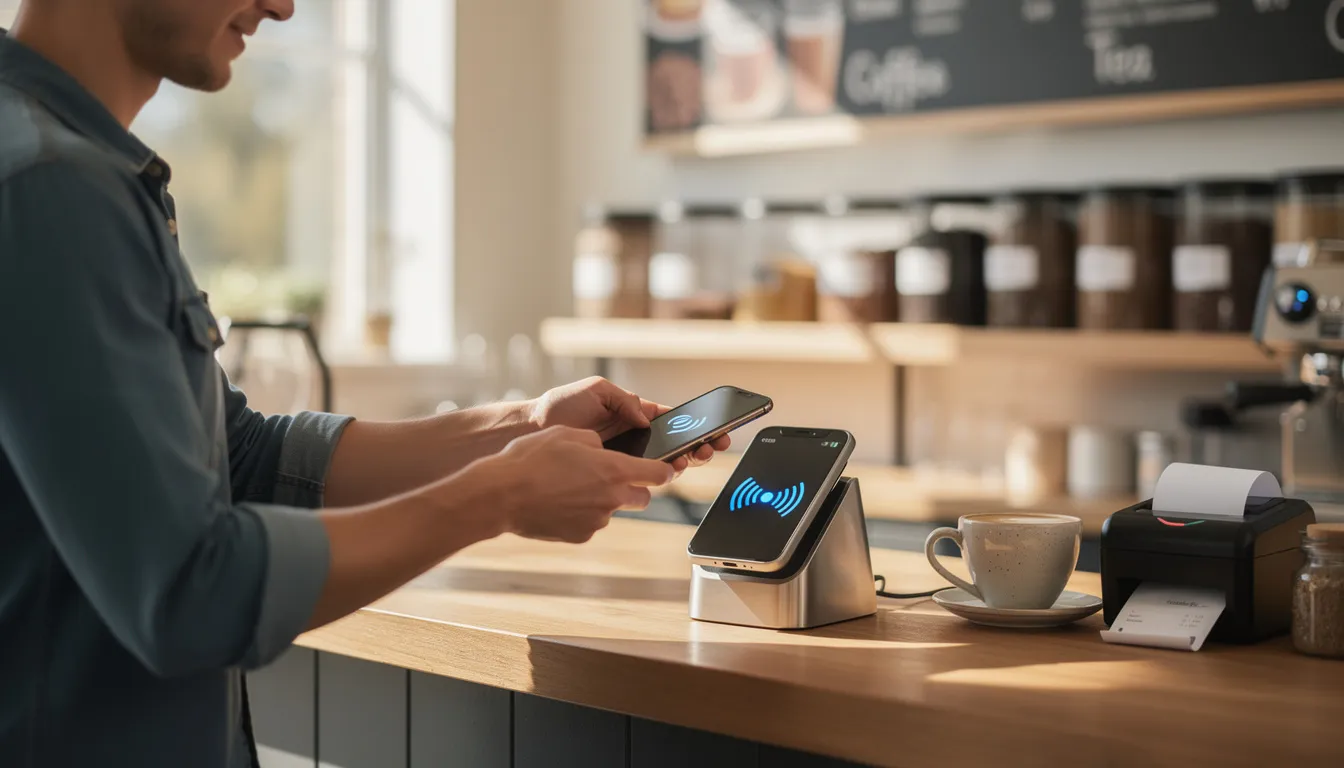
Integration with traditional banking systems ensures digital payment methods can access existing account relationships and leverage established security protocols. This compatibility accelerates adoption by reducing the need for entirely new financial infrastructure.
Growing acceptance rates are driven by merchant recognition that digital payments can increase transaction speed, reduce handling costs, and provide better customer experiences. The COVID-19 pandemic particularly accelerated contactless payment adoption as health concerns motivated reduced physical contact.
Mobile Wallet Applications
Popular mobile wallet platforms like Apple Pay, Google Pay, Samsung Pay, and PayPal have transformed how consumers interact with payment systems. These applications store multiple payment methods securely on mobile devices while providing unified interfaces for various transaction types.
Tokenization technology enhances security by replacing sensitive card details with unique tokens that are meaningless outside the specific transaction context. If a device is compromised, the actual account information remains protected because only tokens are stored locally.
Biometric authentication through fingerprint scanning, face recognition, or voice verification provides strong security while maintaining user convenience. These methods are often more secure than traditional PINs or signatures because they’re much harder to replicate or steal.
Beyond basic payments, mobile wallets enable peer-to-peer transfers, bill payments, loyalty program integration, and receipt storage. This comprehensive functionality positions mobile wallets as central hubs for financial activity rather than simple payment tools.
Online Payment Services
Web-based payment platforms like PayPal, Stripe, Square, Amazon Pay, and Venmo have become essential infrastructure for e-commerce and digital transactions. These services provide secure payment processing while handling complex backend operations that merchants would struggle to manage independently.
Buyer and seller protection programs differentiate online payment services from traditional card processing by adding dispute resolution and fraud protection layers. These programs can reverse transactions, provide refunds, and mediate conflicts between parties, creating confidence in online commerce.
Integration with online marketplaces and subscription services enables automated billing, recurring payments, and complex transaction flows that support modern business models. Software-as-a-Service companies particularly benefit from automated subscription management and retry logic for failed payments.
The ecosystem of online payment services continues expanding as financial technology companies develop specialized solutions for specific industries, geographic regions, and transaction types. This specialization allows businesses to choose providers that best match their specific requirements and customer preferences.
Electronic Fund Transfers
Electronic fund transfers move money between bank accounts without physical payment instruments like cash or checks. These systems process high volumes of transactions efficiently while maintaining detailed records that support business accounting and regulatory compliance requirements.
Bank-to-bank transfers form the backbone of many business operations, from payroll processing to vendor payments and tax collections. The Automated Clearing House (ACH) network handles most domestic electronic transfers, while wire transfer systems provide faster alternatives for time-sensitive or high-value transactions.
Electronic transfers offer advantages including lower processing costs, detailed transaction records, and the ability to schedule future payments. Businesses can automate recurring obligations like payroll and utilities, reducing administrative overhead while ensuring timely payments.
ACH Payments
The Automated Clearing House (ACH) network operates as a batch processing system that handles recurring and one-time transfers between bank accounts. This system processes billions of transactions annually, including direct deposits, automatic bill payments, tax refunds, and business-to-business transfers.
ACH transactions typically cost much less than wire transfers or card processing fees, making them attractive for high-volume, recurring payments. Processing occurs in batches during specific windows, usually resulting in next-business-day settlement for standard transactions.
Direct deposits through ACH enable efficient payroll processing, government benefit distribution, and tax refund delivery. Automatic bill payments help consumers avoid late payment fees while providing merchants with reliable, predictable payment timing.
Reversibility options distinguish ACH from some other payment methods, allowing correction of unauthorized or erroneous transactions within specific timeframes. This flexibility provides consumer protection while creating some settlement risk for merchants who must account for potential reversals.
Wire Transfers
Wire transfers provide real-time fund movement through secure networks like SWIFT for international transactions and Fedwire for domestic transfers. These systems enable immediate settlement of high-value transactions where speed and finality are essential.
The higher fees associated with wire transfers are justified by immediate fund availability and reduced settlement risk. Business transactions involving real estate closings, large equipment purchases, or time-sensitive international payments often require wire transfers despite the increased cost.
International wire transfers involve foreign exchange conversion, correspondent banking relationships, and compliance with various national regulations. These complexities can extend processing times and increase costs, but wire transfers remain the most reliable method for large cross-border payments.
Security protocols for wire transfers include multi-factor authentication, approval workflows, and detailed beneficiary verification. These measures help prevent fraud but require careful attention to ensure accurate recipient information before initiating transfers.
Cryptocurrency and Digital Assets
Cryptocurrency represents a revolutionary approach to payments using blockchain technology and cryptographic security to enable peer-to-peer transactions without traditional banking intermediaries. Bitcoin, Ethereum, Litecoin, and stablecoins each offer different characteristics that appeal to various use cases.
Decentralized Finance (DeFi) applications build upon blockchain infrastructure to create programmable money, automated lending, and complex financial instruments that operate without centralized control. Smart contracts execute payment terms automatically when predetermined conditions are met, reducing the need for intermediaries.
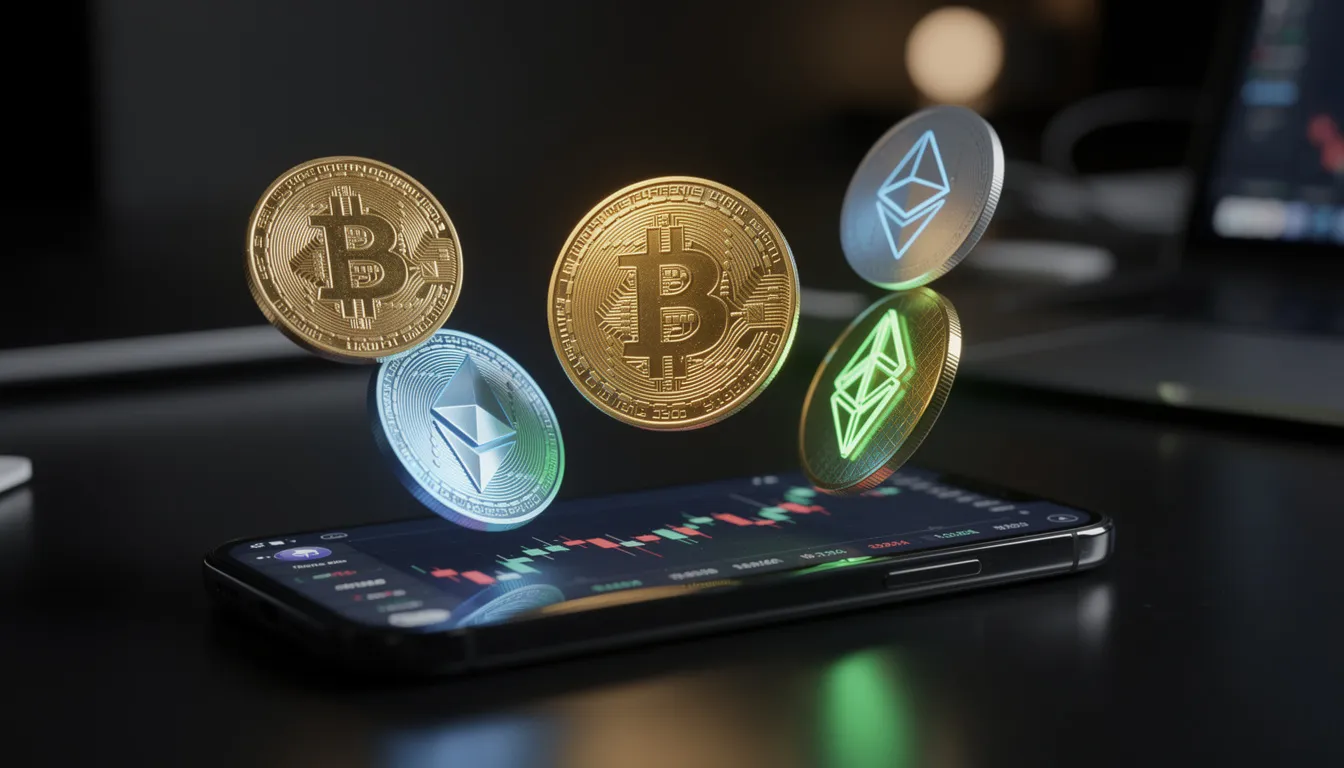
Regulatory considerations vary significantly among jurisdictions, with some countries embracing cryptocurrency while others restrict or ban its use. Merchants considering cryptocurrency acceptance must navigate evolving compliance requirements and tax implications.
The volatility of many cryptocurrencies creates challenges for everyday commerce, leading to increased interest in stablecoins that maintain more predictable values relative to traditional currencies.
Bitcoin and Alternative Cryptocurrencies
Bitcoin enables peer-to-peer transactions without requiring traditional banking intermediaries, potentially reducing costs for international transfers while providing 24/7 availability regardless of banking hours. The global nature of Bitcoin eliminates many geographic restrictions that affect traditional payment systems.
Benefits include lower fees for international transfers compared to traditional wire services, true 24/7 availability, and potential financial inclusion for populations without access to traditional banking services. Transactions can be verified independently without relying on centralized authorities.
However, significant drawbacks limit widespread adoption. Price volatility makes Bitcoin impractical for everyday purchases when values can change dramatically within short periods. Technical complexity creates barriers for average users, while limited merchant acceptance restricts practical usage opportunities.
Wallet security and private key management require technical knowledge that many consumers lack. Lost private keys mean permanently lost access to funds, while security breaches can result in irreversible theft. These risks make cryptocurrency storage more complex than traditional bank accounts.
Payment Terms and Business Considerations
Business payment terms establish the framework for when and how payments must be made, affecting cash flow, relationships, and operational efficiency. Standard terms like Net 30, Net 60, and Due on Receipt communicate expectations clearly while providing flexibility for different business relationships. In many cases, a contract may require an advance payment before goods or services are delivered, ensuring commitment and fulfilling contractual obligations.
Early payment discounts such as 2/10 Net 30 (offering a 2% discount if paid within 10 days) incentivize prompt payment while improving supplier cash flow. Managing payment terms can also impact a business’s income and financial planning, so these terms must be structured carefully to ensure the discount provides meaningful value without eroding profit margins excessively.
Late payment penalties and interest charges help ensure timely payment while compensating for the cost of extended credit terms. However, enforcement requires consistent application and clear communication to maintain customer relationships.
Payment method surcharges and minimum purchase requirements reflect the actual costs of processing different transaction types. While controversial, these practices help small businesses manage the economics of payment acceptance across various transaction sizes and methods.
Installment and Progress Payments
Scheduled payments enable large purchases and ongoing services by spreading costs over time while providing sellers with predictable cash flow. These arrangements require careful documentation of payment schedules, default remedies, and performance obligations.
Down payments and deposits demonstrate buyer commitment while providing sellers with partial payment security for high-value transactions. The amount and timing of these payments should reflect the risk profile and value of the underlying goods or services.
Progress billing for construction and professional services ties payments to project deliverables and completion stages. This approach aligns payment timing with value creation while providing cash flow for ongoing operations.
Payment milestones must be defined clearly with objective criteria that both parties can verify. Disputes over milestone completion can disrupt projects and strain business relationships if terms aren’t established thoughtfully.
International Payment Considerations
Foreign exchange rates and currency conversion fees add complexity to international transactions while creating potential gains or losses based on rate fluctuations. Businesses must decide whether to price in local or foreign currencies and how to manage exchange rate risk.
Cross-border transfer regulations and compliance requirements vary among countries, with some nations restricting capital flows or requiring detailed reporting of international transactions. Understanding these requirements prevents delays and regulatory violations.
Correspondent banking relationships enable international wire transfers by connecting domestic banks with foreign financial institutions. These relationships affect processing times, costs, and available destinations for international payments.
Trade finance instruments like letters of credit and documentary collections provide payment security for international transactions by involving banks as intermediaries that ensure performance before releasing funds. These tools reduce risk but increase complexity and cost.
Payment Security and Fraud Prevention
Payment security represents a critical concern for all stakeholders in the payment ecosystem, from individual consumers to large merchants and financial institutions. The Payment Card Industry Data Security Standard (PCI DSS) establishes mandatory security controls for any organization that stores, processes, or transmits cardholder data.
Two-factor authentication and multi-factor verification add security layers by requiring multiple forms of identification before authorizing transactions. These methods significantly reduce the risk of unauthorized access even if primary credentials are compromised.
Encryption protocols protect sensitive payment data during transmission and storage, ensuring that intercepted information remains unusable without proper decryption keys. End-to-end encryption provides the highest level of protection by maintaining encryption from the initial entry point through final processing.
Chargeback and dispute resolution procedures provide consumer protection against unauthorized transactions while creating operational challenges for merchants. Understanding these processes helps businesses prepare appropriate documentation and response procedures.
Fraud Detection and Prevention
Machine learning algorithms analyze transaction patterns to identify suspicious activity in real-time, enabling automatic blocking of potentially fraudulent transactions while minimizing disruption to legitimate customers. These systems continuously learn from new fraud patterns to improve detection accuracy.
Real-time transaction monitoring evaluates multiple risk factors including transaction amount, frequency, geographic location, device characteristics, and historical behavior patterns. Risk scoring helps determine whether to approve, decline, or require additional authentication for each transaction.
Customer verification procedures and identity authentication methods help ensure that authorized users are conducting transactions. Biometric verification, device recognition, and behavioral analysis provide stronger authentication than traditional passwords or PINs.
Merchant responsibilities for payment security extend beyond basic PCI compliance to include employee training, secure handling procedures, and incident response plans. Businesses that fail to implement adequate security measures face liability for fraud losses and regulatory penalties.
The Future of Payment Systems
Central Bank Digital Currencies (CBDCs) represent the next evolution in government-issued money, combining the convenience of digital payments with the stability and backing of traditional currency. Several national governments are developing CBDC systems that could reshape the global payment landscape.
Artificial intelligence integration promises more personalized payment experiences through predictive analytics, automated decision-making, and intelligent routing of transactions based on cost, speed, and reliability factors. AI could also enhance fraud detection while reducing false positive rates that inconvenience legitimate customers.
Internet of Things (IoT) enabled automatic payments could revolutionize how we interact with payment systems by enabling devices to conduct transactions autonomously. Smart cars could pay for fuel automatically, while smart homes could manage utility payments and subscription services.
Biometric payment authentication through fingerprints, facial recognition, retinal scans, and voice patterns offers enhanced security while improving user convenience. These technologies could eventually eliminate the need for cards, phones, or other physical payment devices.
Emerging Payment Technologies
Quantum computing poses both opportunities and challenges for payment security, potentially breaking current encryption methods while enabling new forms of cryptographic protection. Payment systems must prepare for the quantum computing era to maintain security standards.
Augmented reality shopping with integrated payment systems could transform retail experiences by allowing customers to make purchases through immersive digital interfaces. Virtual try-ons and product demonstrations could seamlessly connect with payment processing for instant transactions.
Wearable device payments through smartwatches, fitness trackers, and other connected devices extend the convenience of mobile payments while providing new form factors for consumer interaction. These devices often include biometric sensors that enhance authentication security.
Social media platform integration with payment processing capabilities enables commerce within social networks, allowing users to make purchases directly through social applications without navigating to separate e-commerce sites. This integration could significantly change how consumers discover and purchase products.
The evolution of payment systems continues accelerating as technology advances and consumer preferences shift toward greater convenience, security, and choice. Understanding these emerging trends helps businesses and individuals prepare for the next generation of payment capabilities while making informed decisions about current payment strategies.
Whether you’re a business owner evaluating which payment methods to accept, a consumer choosing between different payment options, or simply someone interested in understanding how money moves in the modern economy, the diversity of available payment systems provides opportunities to optimize costs, improve security, and enhance convenience. The key is matching the right payment method to each specific situation while staying informed about new developments that could benefit your particular needs.
By understanding the full spectrum of payment options – from traditional cash and checks to cutting-edge cryptocurrency and biometric authentication – you can make more informed decisions that balance convenience, cost, security, and reliability. As payment technology continues evolving, this foundational knowledge will help you adapt to new systems while maintaining control over your financial transactions.
Choosing the Best Payment Option
Selecting the best payment option depends on a careful balance of security, convenience, cost, and acceptance. For many, credit cards are a popular choice due to their robust fraud protection, rewards programs, and the ability to defer payments. However, it’s important to be mindful of potential late payment fees, interest charges, and the risk of accumulating debt if balances aren’t paid in full. Debit cards, in contrast, draw funds directly from your bank account, helping you avoid debt and interest, but may offer less comprehensive fraud protection and can incur overdraft fees if there isn’t enough money in your account.
Mobile payments, such as Google Pay and Apple Pay, combine convenience with enhanced security features like biometric authentication and tokenized card details. These digital payments are especially useful for quick, contactless transactions and can be managed through a mobile wallet, but require compatible devices and may not be accepted everywhere. Cash payments remain widely accepted, particularly for small purchases or in situations where digital infrastructure is limited. While cash offers immediate settlement and privacy, it lacks the security features of electronic payments and can be less convenient for larger transactions or recurring payments.
When choosing a payment method, consider the preferences of the party receiving the payment, any associated fees from the card issuer or bank, and the need for prompt payment or recurring transactions. For example, setting up recurring payments from your bank account can help avoid missed bills and late fees, while using a credit card for larger purchases may provide additional purchase protection. Access to banking hours, the ability to use one account for multiple payments, and the security of your card details are all factors that can influence your decision. Ultimately, the best payment option is the one that aligns with your specific circumstances, offering the right mix of security, cost-effectiveness, and convenience for your needs.
Conclusion
In conclusion, payment systems are fundamental to the smooth operation of financial transactions in today’s world. Understanding the different payment methods—whether it’s cash payments, mobile payments, debit cards, or credit cards—enables individuals and businesses to make informed choices that suit their unique needs. By weighing factors such as security, convenience, cost, and the regulations governing payment systems, you can select the most appropriate option for each situation, ensuring that transactions are completed efficiently and securely.
Staying aware of key considerations like banking hours, fraud protection, and the importance of having enough money in one account helps prevent issues such as late payment fees or declined transactions. It’s also crucial to acknowledge payment obligations, keep track of recipient cashes, and understand the terms associated with certain credit cards or other methods. By keeping up with the latest trends and technologies in payment systems, you can take advantage of benefits like rewards, cashback, and sign-on bonuses, while minimizing risks and costs.
Ultimately, being proactive and informed about payment methods and systems empowers you to navigate the evolving financial landscape with confidence, ensuring that your transactions are secure, cost-effective, and tailored to your personal or business goals.