- Accept card payments – lowest rates from 0.27%
- Keep your card processing fees to a minimum
- Direct access to the UK’s leading card processing banks
- We ensure your rates always remain competitive
No spam emails or calls
Choose from the payment methods then click Next
What's your turnover each month?
Enter the name of your company
Enter your company's postcode and contact number
Tell us what you need
Fill in our quick form and we’ll give you a call for a brief 5-minute chat to understand exactly what you're looking for.
Get tailored quotes
We’ll match you with up to three of the most competitive offers from our trusted providers that suit your business.
Pick with confidence
We’ll help you understand the options so you can choose the best fit — quickly, clearly, and without any pressure.





How Visa and Mastercard Work: Understanding Card Schemes
Introduction to Card Schemes
Card schemes play a pivotal role in the modern financial ecosystem, enabling seamless payment transactions across the globe. These schemes, such as VISA and Mastercard, are the backbone of electronic payment systems, serving as the payment network—the digital infrastructure that enables electronic transactions between consumers, merchants, and financial institutions. VISA and Mastercard are major payment networks responsible for handling global credit, debit, and prepaid card transactions. Their global reach means that the visa or mastercard network ensures near universal acceptance worldwide, especially for travelers. In this essay, we will explore how card schemes work, the key players involved, and the fees associated with these payment networks.

What is a Card Scheme?
A card scheme is a network that facilitates transactions between a cardholder’s bank (issuing bank) and a merchant’s bank (acquiring bank). These schemes set the rules and standards for how payments are processed, ensuring security and efficiency. VISA and Mastercard are two of the largest global card brands in this space, dominating the card schemes market. They license their technology and branding to financial institutions, which then issue branded cards to consumers. Mastercard and Visa are the two major global payment networks that facilitate the issuance and acceptance of credit, debit, and prepaid cards.
Card schemes operate as either three-party schemes or four-party schemes. In a three-party scheme, such as American Express, the card issuer, acquirer, and network are often the same entity. In contrast, four-party schemes like VISA and Mastercard involve separate entities for the card issuer, acquirer, and payment networks linked to the scheme. The credit card issuer is the entity, such as a bank or credit union, that issues the card to the consumer, while the payment network (Visa or Mastercard) facilitates the transaction. Credit card issuers include banks, credit unions, and other financial institutions. After banks, other financial institutions also partner with Visa and Mastercard to issue cards and participate in the payment ecosystem.
Card Network and Issuer
A card network, such as Visa or Mastercard, serves as the essential link between the cardholder, the card issuer (which can be a bank or a credit union), and the merchant. The card issuer is the financial institution responsible for providing consumers with credit or debit cards, managing the account, and setting terms like credit limits and interest rates. Meanwhile, the card network—whether it’s Visa or Mastercard—facilitates the payment process by routing transaction data between the merchant and the card issuer, ensuring that payments are processed securely and efficiently.
Both Visa and Mastercard operate their own global payment networks, each with unique rules, fee structures, and security protocols. These networks are at the heart of the payment industry, enabling millions of debit cards and credit cards to be used for purchases worldwide. Understanding how the card network and issuer interact helps consumers and businesses navigate the complexities of card payments and make informed choices about which cards and payment solutions best fit their needs.

How Card Schemes Work
Card schemes work by connecting multiple parties to transactions involving credit and debit cards. When a cardholder uses their debit or credit card to pay for goods or services, the transaction process involves several steps:
- Authorisation Request: The merchant sends an authorisation request to the acquiring bank.
- Routing: The acquiring bank routes the request through the card network (e.g., VISA or Mastercard) to the cardholder’s bank. Visa and Mastercard process transactions by routing payment information between banks and merchants.
- Approval: The issuing bank approves or declines the transaction based on available funds or credit.
- Settlement: Funds are transferred from the cardholder’s account to the merchant’s account via the acquiring bank. These networks process payments securely and efficiently.
This process ensures that payment transactions are secure, efficient, and compliant with payment scheme rules, ensuring secure transactions and helping to safeguard transactions against fraud.
These steps underpin the vast majority of digital transactions conducted globally.
Types of Card Payments
Consumers today have access to a variety of card payment options, each designed to suit different financial needs and preferences. The three main types of card payments are:
- Credit Card Payments: These allow cardholders to borrow funds from the card issuer to make purchases, with the expectation of repaying the balance, often with interest. Credit card payments can also offer rewards programs, balance transfers, and other benefits.
- Debit Card Payments: Debit card transactions draw funds directly from the cardholder’s bank account, making them a popular choice for everyday spending and budgeting. Debit card payments are typically processed quickly and may have lower fees than credit card payments.
- Prepaid Card Payments: Prepaid cards are loaded with funds in advance and can be used for purchases until the balance is depleted. These cards are ideal for budgeting or for those who may not qualify for traditional credit cards.
Visa and Mastercard offer a comprehensive range of card payment options, including credit, debit, and prepaid cards, to meet the diverse needs of consumers. Card issuers, such as banks and credit unions, determine the specific terms for each card, including interest rates, annual fees, and rewards programs. This variety ensures that whether you’re looking for convenience, control, or credit-building opportunities, there’s a card payment solution available.
Key Players in Card Payment Networks
Several key parties are involved in card payments:
- Cardholder: The individual or business using the debit or credit card to make a payment using a payment card. Cardholders may have access to different card tiers, such as standard, gold, platinum, or elite, with each tier offering varying benefits and features.
- Merchant: The business accepting card payments for goods or services. Merchants who accept card payments may accept different networks, and some specifically accept Mastercard.
- Issuing Bank: The financial institution that issues cards to the cardholder.
- Acquiring Bank: The bank or financial institution that processes payments on behalf of the merchant.
- Payment Service Providers: Companies that offer payment processing services to merchants.
- : A technology platform that connects the merchant’s website to the payment scheme.
- Payment Processor: A company that processes transactions on behalf of the bank.
Not all merchants accept every card network, and some only accept Mastercard due to their payment processing agreements.
These players work together to ensure that card transactions function smoothly.
Card Scheme Fees Explained
Card scheme fees are a critical aspect of payments, impacting both merchants and consumers. These fees are charged by card networks to cover the costs of maintaining the payment infrastructure. The overall fee structure includes various charges such as service fees and data processing fees, which can differ depending on the network and transaction type.
Visa and Mastercard earn service fees primarily from financial institutions and banks for issuing and processing their cards, rather than charging consumers directly. Data processing fees are typically applied per transaction, especially by Visa, as a way to cover the cost of handling payment data. Mastercard, on the other hand, often bases its fees on a percentage of the global dollar volume processed through its network, which can influence cost management and consumer pricing.
Each network has different fee structures, with Visa and Mastercard varying in how they generate revenue and apply charges to their partners.
Types of Transaction Fees
- Interchange Fee: Paid by the bank to the issuing bank for each transaction. This fee is regulated under the Interchange Fee Regulation in the UK.
- Scheme Fees: Charged by the card scheme to the bank for using the network.
- Processing Fees: Paid to payment processors for handling transactions.
- Variable Fees: Fees that vary based on transaction volume, card type, or other factors.
- Annual Fee: Many credit cards also charge an annual fee, which is a recurring charge for card membership and is part of the overall fee structure.
These fees are typically passed on to merchants, who may incorporate them into their pricing structures.
The Role of VISA and Mastercard
These are the two largest global brands in the card scheme industry. As major payment networks, Visa and Mastercard operate extensive global infrastructures that facilitate electronic transactions between consumers, merchants, and financial institutions. Both operate as four-party payment schemes, connecting issuing banks, acquiring banks, merchants, and cardholders. Each company operates its own payment network, which enables the acceptance and processing of card transactions worldwide. The Mastercard network serves as a major payment processing infrastructure that supports the global acceptance of Mastercard branded cards and Mastercard credit cards. Similarly, Visa issues visa cards and visa credit cards, which are accepted globally and offer broad reach and benefits. Mastercard offers a variety of benefits and exclusive features to cardholders through different card tiers and promotional programs. Mastercard earn revenue primarily through connectivity fees charged to issuing banks during payment processing.
VISA
VISA is one of the most widely accepted payment networks, with millions of merchants and cardholders worldwide. It offers a range of products, including credit cards, debit cards, and prepaid cards. The Visa Signature tier is a premium credit card offering that provides extensive travel benefits and protections, such as travel insurance and trip cancellation coverage for frequent travelers. Many Visa credit cards also allow cardholders to earn loyalty points for purchases, which can be redeemed for rewards like cashback, travel, or merchandise. VISA’s robust infrastructure ensures fast and secure payment transactions.
Mastercard
Mastercard is another leading player in the card scheme market, known for its innovative payment solutions. Like VISA, Mastercard supports credit, debit, and prepaid cards, catering to both consumers and businesses.
Within its product range, Mastercard offers several tiers, including the premium World Mastercard, which provides additional benefits such as travel perks, purchase protection, and exclusive discounts. Mastercard credit cards may also offer price protection and luggage reimbursement as part of their standard benefits. Lost luggage reimbursement is a specific travel benefit available on some premium Mastercard cards, enhancing traveler security and peace of mind.
Both charge scheme fees to financial institutions, which are then passed on to merchants as part of the transaction fees.
Security Features
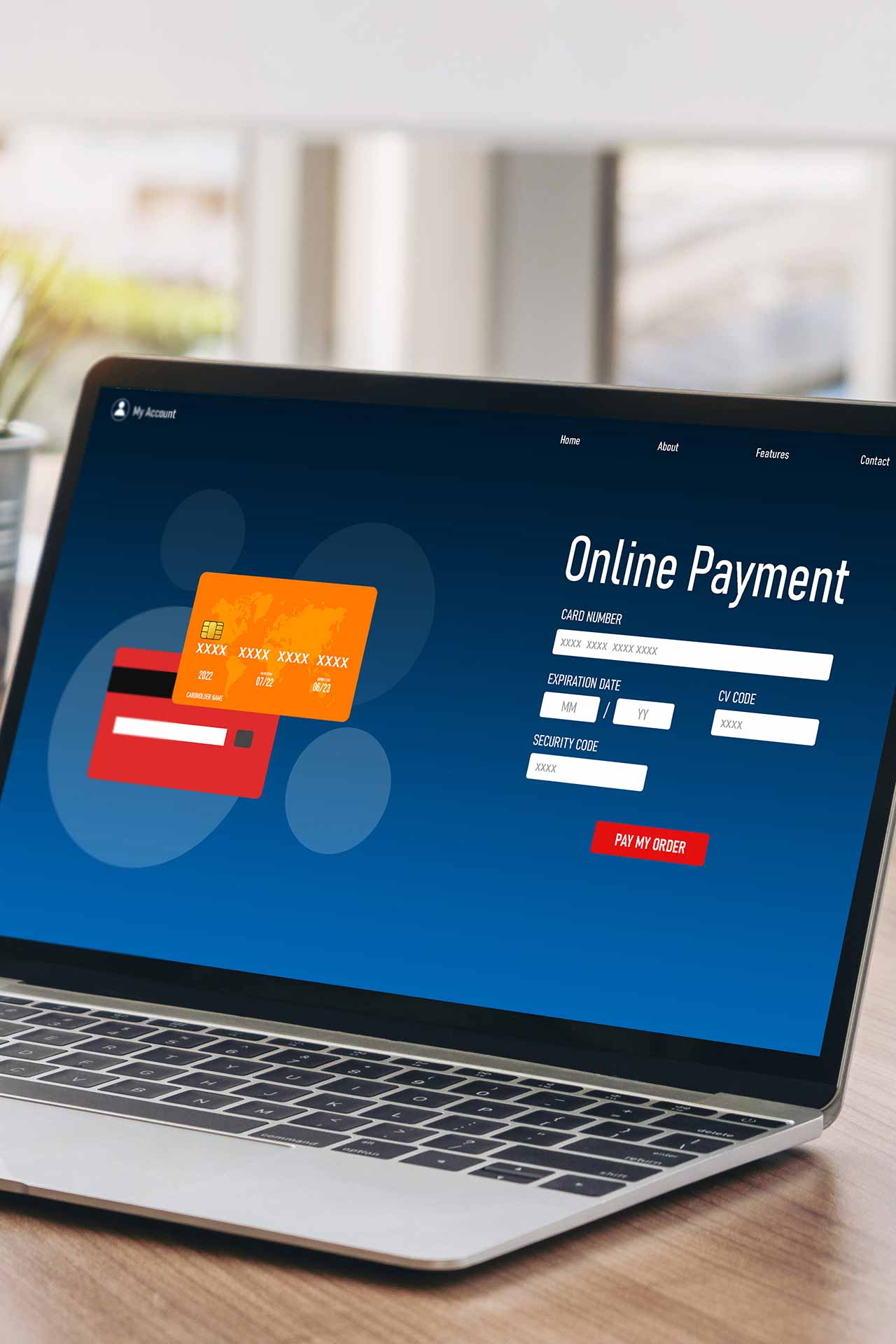
Security is a top priority for both Visa and Mastercard, and they have implemented a range of advanced features to safeguard card payments. Both Visa and Mastercard offer zero liability policies, ensuring that cardholders are not held responsible for unauthorized transactions made with their cards. This provides peace of mind and encourages the use of card payments for both online and in-person purchases.
In addition to zero liability, both Visa and Mastercard offer secure transaction processing, using encryption and tokenization to protect sensitive card details during every transaction. Many cards also include purchase protection, which covers cardholders against loss, theft, or damage of items bought with the card. Card issuers may further enhance security by offering two-factor authentication, real-time account alerts, and other fraud prevention tools. These comprehensive security measures help ensure that card payments remain safe and reliable for consumers and merchants alike.
Global Acceptance and Usage
Visa and Mastercard are recognized as the most widely accepted payment networks in the world, making them the preferred choice for both domestic and international transactions. Their cards are accepted by millions of merchants in over 200 countries, allowing consumers to make purchases and access services almost anywhere. This global reach is supported by an extensive network of issuing banks and acquiring banks, which work together to enable seamless payment processing across borders.
According to the Federal Reserve, Visa and Mastercard dominate the global payment processing market, accounting for more than 90% of card payments worldwide. This dominance is a testament to their reliability, security, and the trust they have built with both merchants and consumers. Whether shopping online, traveling abroad, or making everyday purchases, cardholders can rely on Visa and Mastercard for convenient and secure payment solutions.
Challenges of Card Scheme Fees
While card schemes offer many advantages, the fees involved can be a challenge for merchants. Understanding the fee structure of each network is essential for managing costs. Visa and Mastercard have different fee structures, which can affect the total cost to merchants. Scheme fees, interchange fees, and processing fees can add up, particularly for small businesses with tight profit margins. Data processing fees are also a component of the overall costs merchants may face.
To mitigate these costs, merchants can:
-
Negotiate lower transaction fees with their bank and be aware of the specific charges associated with the mastercard network.
-
Encourage customers to use lower-cost card types, such as debit cards.
-
Use payment service providers that offer competitive rates.
Historical Context and Evolution
The card scheme industry is evolving rapidly, driven by technological advancements and changing consumer preferences. The growth of digital transactions is a major factor driving innovation in the card scheme industry. Innovations such as contactless payments, mobile wallets, and blockchain-based payment systems are reshaping the landscape.
VISA and Mastercard are at the forefront of these developments and are both well-known card brands, investing heavily in new technologies to enhance security and convenience. As payment networks continue to grow, card schemes will remain a cornerstone of the global financial system.
Card schemes are integral to the functioning of modern payment systems and card transactions. They connect key parties, ensure secure and efficient payment transactions, and support the growth of businesses worldwide. While card scheme fees can be a challenge, the benefits of accepting debit and credit cards far outweigh the costs for most merchants.
By understanding how card schemes work and the fees involved, businesses can make informed decisions about their payment processing strategies. As the industry continues to evolve, staying informed about the latest trends and innovations will be essential for success.
Challenges of Card Scheme Fees
While card schemes offer many advantages, the fees involved can be a challenge for merchants. Understanding the fee structure of each network is essential for managing costs. Visa and Mastercard have different fee structures, which can affect the total cost to merchants. Scheme fees, interchange fees, and processing fees can add up, particularly for small businesses with tight profit margins. Data processing fees are also a component of the overall costs merchants may face.
To mitigate these costs, merchants can:
-
Negotiate lower transaction fees with their bank and be aware of the specific charges associated with the mastercard network.
-
Encourage customers to use lower-cost card types, such as debit cards.
-
Use payment service providers that offer competitive rates.
The Future of Card Schemes
The card scheme industry is evolving rapidly, driven by technological advancements and changing consumer preferences. The growth of digital transactions is a major factor driving innovation in the card scheme industry. Innovations such as contactless payments, mobile wallets, and blockchain-based payment systems are reshaping the landscape.
VISA and Mastercard are at the forefront of these developments and are both well-known card brands, investing heavily in new technologies to enhance security and convenience. As payment networks continue to grow, card schemes will remain a cornerstone of the global financial system.
Card schemes are integral to the functioning of modern payment systems and card transactions. They connect key parties, ensure secure and efficient payment transactions, and support the growth of businesses worldwide. While card scheme fees can be a challenge, the benefits of accepting debit and credit cards far outweigh the costs for most merchants.
By understanding how card schemes work and the fees involved, businesses can make informed decisions about their payment processing strategies. As the industry continues to evolve, staying informed about the latest trends and innovations will be essential for success.