- Accept card payments – lowest rates from 0.27%
- Keep your card processing fees to a minimum
- Direct access to the UK’s leading card processing banks
- We ensure your rates always remain competitive
No spam emails or calls
Choose from the payment methods then click Next
What's your turnover each month?
Enter the name of your company
Enter your company's postcode and contact number
Tell us what you need
Fill in our quick form and we’ll give you a call for a brief 5-minute chat to understand exactly what you're looking for.
Get tailored quotes
We’ll match you with up to three of the most competitive offers from our trusted providers that suit your business.
Pick with confidence
We’ll help you understand the options so you can choose the best fit — quickly, clearly, and without any pressure.





Payment Services: A Complete Guide for UK Businesses
Payment services form the backbone of modern commerce, enabling millions of transactions worth billions of pounds to flow securely between customers, merchants, and financial institutions every day. Whether you’re running a small retail shop, managing a growing e-commerce business, or operating a large enterprise, understanding payment services is crucial for optimizing revenue, reducing costs, and delivering the seamless payment experience that customers expect.
In today’s digital economy, payment services extend far beyond simply accepting cash or processing credit card transactions. They encompass a sophisticated ecosystem of regulated financial services, cutting-edge technology platforms, and data-driven solutions that connect consumers, businesses, banks, and payment networks. From contactless card payments at your local coffee shop to complex cross-border e-commerce transactions, payment services enable the smooth flow of money that powers the UK economy.
This comprehensive guide will explore everything UK businesses need to know about payment services, from regulatory requirements and provider options to security considerations and sector-specific applications. You’ll discover how to choose the right payment solutions for your business, understand the compliance landscape, and leverage payment data to drive growth.
What are payment services?
Payment services are regulated, technology-enabled methods that facilitate the secure transfer of money between payers and payees through electronic channels. In the context of payment services, the payer is the individual or entity who initiates a payment transaction, authorizing the transfer of funds from their account to the payee, who is the intended recipient. These services sit as intermediaries between consumers, merchants, banks, and card schemes, enabling transactions across multiple channels including online, in-store, and mobile payments.
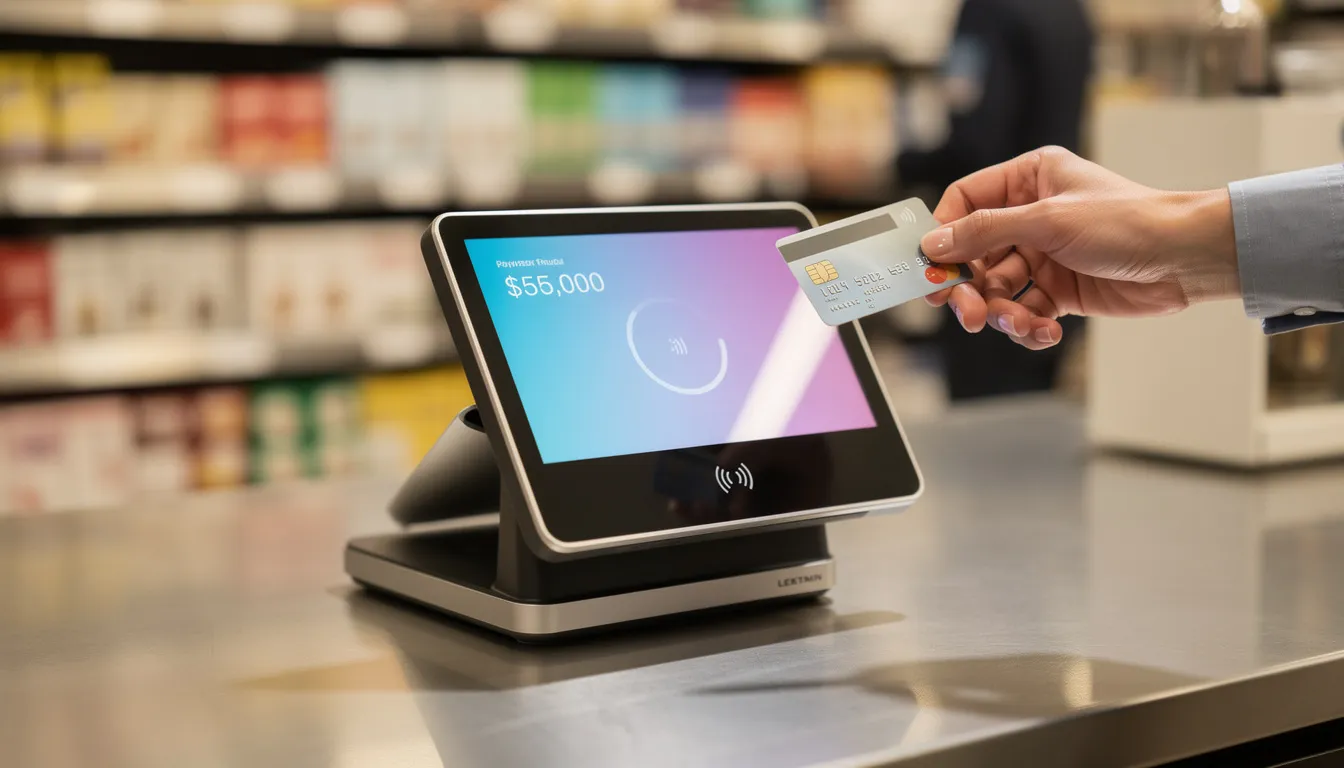
Key characteristics of payment services include:
• Electronic transaction processing – Digital systems that handle card payments, bank transfers, and e-wallet transactions without requiring physical cash exchange • Regulatory compliance – Services operating under specific financial regulations such as the UK’s Payment Services Regulations 2017 and EU’s PSD2 framework • Multi-channel acceptance – Unified platforms supporting various payment methods from traditional cards to modern digital wallets like Apple Pay and Google Pay • Data and analytics integration – Advanced reporting capabilities that help businesses track sales, identify trends, and optimize revenue streams • Security and fraud protection – Robust safeguards including encryption, tokenization, and real-time monitoring to protect sensitive financial data • Automated settlement – Systematic processes for transferring funds from customer accounts to merchant accounts, typically within 1-3 business days
Modern payment service providers combine these elements to create comprehensive solutions that not only process transactions but also provide valuable business intelligence. Examples of payment services include card payments, direct debits, money remittance, and account information services, each illustrating the diverse ways payers can initiate and authorize transactions within the regulatory framework. For example, a UK e-commerce retailer might use payment services to accept Visa and Mastercard payments, process direct debits for subscriptions, and access detailed analytics showing which payment methods generate the highest conversion rates among different customer segments.
The scope of payment services extends to support various business models, from traditional retail operations requiring point-of-sale terminals to subscription-based companies needing automated recurring billing capabilities. Advanced providers now offer additional services such as invoicing, multi-currency processing, and integration with popular e-commerce platforms, making them essential partners for businesses looking to scale efficiently while maintaining compliance with financial regulations.
Types of payment services under regulation (UK & EU focus)
The UK Payment Services Regulations 2017 (PSRs 2017) and the EU’s Payment Services Directive 2 (PSD2) establish clear legal definitions for different categories of payment services. Understanding these regulatory classifications is crucial for businesses, as they determine licensing requirements, consumer protection obligations, and operational compliance standards.
The regulated payment services framework recognizes eight distinct categories of payment activities. Only services that fall within these categories are covered by the PSRs 2017, while others, such as certain technical services or limited network arrangements, are excluded from the regulatory scope.
• Account services – This covers placing cash on payment accounts such as current accounts, e-money accounts, and credit card accounts, as well as managing these accounts for customers. Account services may also include providing a credit line, such as an overdraft facility or revolving credit, linked to the account. Traditional banks and newer e-money institutions both provide these foundational services.
• Cash withdrawal services – ATM operations and other services that enable customers to access cash from their payment accounts. This includes both traditional bank ATMs and newer cash-access points operated by payment institutions.
• Payment transaction execution – The core service of executing payment orders including direct debits for utility bills, credit transfers between accounts, and card payment processing for retail transactions. This represents the largest category of payment activity by volume.
• Payment instrument issuing – Services that provide payment instruments such as debit cards, credit cards, prepaid cards, and mobile payment credentials to end users. Issuers maintain the customer relationship and manage account balances.
• Merchant acquiring services – Processing payment transactions for businesses, including providing payment terminals, managing merchant accounts, and facilitating settlement of funds from customer payments to business accounts.
• Money remittance – Cross-border and domestic money transfer services, including both traditional remittance companies and newer digital money transfer platforms serving individuals and businesses.
• Payment initiation services (PIS) – Third-party services that initiate payments directly from customer bank accounts, typically used for e-commerce checkout or bill payment without requiring card details.
• Account information services (AIS) – Services that aggregate payment account information from multiple providers, enabling customers and businesses to view consolidated financial data through a single interface.
Important exclusions from the regulated framework include fixed-term deposits, some technical service providers that only handle data transmission, and certain limited-scope activities. These exclusions are detailed in the relevant schedule of the PSRs 2017 and the FCA Handbook, which list the categories of payment services and specify what is and is not covered. These exclusions matter significantly for fintech companies and merchants, as they determine whether a business needs to obtain payment institution authorization from the Financial Conduct Authority (FCA) or can operate under exemptions.
For businesses considering offering payment-related services, understanding these categories helps determine regulatory requirements, from full payment institution licenses for comprehensive services down to registration requirements for limited activities. A business must be registered as a payment institution or provider if it intends to offer services that are covered by the PSRs 2017 and are not subject to an exemption. The subject of the service or provider—such as whether it involves issuing payment instruments, providing account information, or facilitating money remittance—determines whether it falls within the regulatory framework. The distinction also affects consumer protection obligations, capital requirements, and safeguarding rules for customer funds.
Payment service providers (PSPs) and how they work
A payment service provider (PSP) acts as a crucial intermediary that connects merchants to card networks like Visa, Mastercard, and American Express, as well as to banks and alternative payment methods. PSPs streamline the complex process of payment acceptance by bundling multiple services into integrated platforms that businesses can access through single contracts and technical integrations.

Core components of a comprehensive PSP offering include:
• Merchant accounts and onboarding – PSPs establish the financial relationships and compliance frameworks necessary for businesses to accept electronic payments, handling everything from initial applications to ongoing account management and risk monitoring.
• Payment gateway technology – Secure online interfaces that capture payment details from websites or mobile apps, encrypt sensitive data, and route transaction requests to the appropriate processing networks while maintaining PCI compliance standards.
• Fraud screening and risk management – Advanced algorithms that analyze transaction patterns, device fingerprinting, and customer behavior to identify potentially fraudulent activity before payments are processed, protecting both merchants and customers.
• Multi-method payment processing – Support for diverse payment options including traditional payment cards, digital wallets like PayPal and Apple Pay, bank transfer methods, and emerging payment technologies, all accessible through unified integration points.
• Chargeback and dispute handling – Comprehensive management of payment disputes, including automated representment, evidence collection, and liaison with card networks to resolve conflicts between merchants and customers.
• Settlement and reconciliation – Systematic transfer of funds from processed transactions to merchant bank accounts, typically within 1-3 business days, along with detailed reporting that enables accurate financial reconciliation.
• Analytics and reporting dashboards – Real-time and historical data visualization showing transaction volumes, success rates, popular payment methods, and revenue trends that help businesses optimize their payment strategies.
To deliver these integrated payment services, PSPs work closely with a range of suppliers, including financial institutions, payment providers, and technology vendors. These supplier relationships are essential for issuing payment instruments, acquiring transactions, and enabling secure account access across multiple payment channels.
Consider how this works in practice: A UK e-commerce retailer partners with a PSP to accept payments on their website. When a customer purchases items worth £150 using a Visa debit card, the transaction flows through the PSP’s gateway, which encrypts the card details and sends an authorization request to the customer’s bank via the Visa network. The bank approves the transaction based on available funds and fraud checks, sending approval back through the same route. The PSP then confirms the payment to both the customer and merchant, schedules fund settlement for the next business day, and records the transaction in the merchant’s reporting dashboard.
Typical PSP pricing structures reflect the complexity and risk involved in payment processing. Standard rates might include 1.4% + 20p per successful card transaction, monthly gateway fees of £15-30, and additional charges for chargebacks (£15-25 per case) or international transactions. Many PSPs now offer hybrid pricing models that combine lower percentage rates with higher fixed fees for larger merchants, or usage-based pricing that scales with transaction volumes and provides better economics for high-growth businesses.
The technology architecture behind PSP services involves redundant systems operating across multiple data centers to ensure high availability, with typical uptime guarantees of 99.9% or higher. Advanced PSPs implement real-time monitoring, automated failover capabilities, and direct connections to major card networks to minimize transaction latency and maximize approval rates, directly impacting merchant revenue and customer experience.
Core payment solutions and channels
Modern businesses require diverse payment channels to meet customer expectations and optimize revenue across different interaction points. Each channel serves specific use cases and customer preferences, with successful businesses typically offering multiple options to maximize conversion rates and customer satisfaction.
Point-of-sale card terminals represent the foundation of in-person payment acceptance for retail, hospitality, and service businesses. Contemporary terminals support countertop installations for high-volume retail environments, portable devices for tableside service in restaurants, and mobile terminals that enable payments at markets, events, or customer locations. These devices universally support contactless payments via NFC technology, traditional chip and PIN transactions for security, and increasingly integrate with digital wallets like Google Pay and Apple Pay. Modern terminals also offer value-added features such as tipping prompts for hospitality businesses, receipt printing or email options, and real-time inventory integration.
Online payment gateways enable e-commerce businesses to accept payments securely through websites and mobile applications. Secure checkout pages hosted by payment providers ensure PCI compliance while maintaining brand consistency through customizable interfaces. API integrations allow businesses to embed payment processing directly into their platforms, creating seamless user experiences that reduce cart abandonment rates. Hosted payment pages provide an alternative for businesses seeking simpler integration while maintaining security standards. Pay by Link services extend online payment capabilities to email and SMS channels, enabling businesses to request payments for invoices, bookings, or ad-hoc services without requiring customers to visit specific websites.
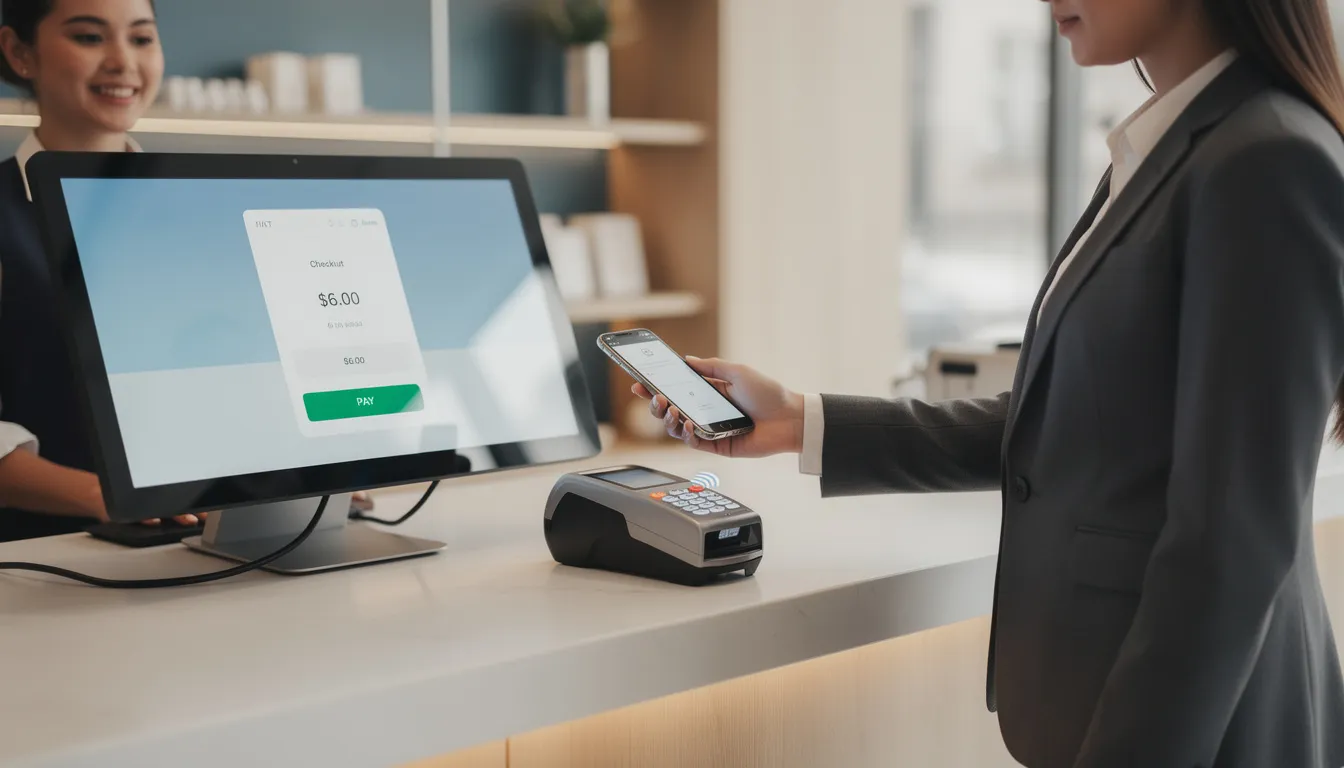
Mobile and in-app payment solutions cater to the growing segment of smartphone-based commerce and service delivery. Native mobile app integrations allow businesses to offer frictionless payment experiences within their own applications, while web-based mobile payment pages optimize the checkout process for smaller screen sizes. Location-based payment services enable businesses to offer contextual payment options, such as parking payments or restaurant orders, triggered by customer proximity or QR code scanning.
Recurring billing and direct debit systems support subscription-based business models and regular payment collection scenarios. UK businesses commonly use Bacs Direct Debit for collecting monthly subscriptions, rental payments, and utility bills, benefiting from lower processing costs compared to card transactions and strong customer protection frameworks. SEPA Direct Debit provides similar capabilities for businesses operating across European Union markets. Advanced recurring billing platforms manage complex scenarios such as usage-based pricing, trial periods, upgrade/downgrade scenarios, and automated retry logic for failed payments, which is essential for subscription businesses maintaining high customer lifetime values.
Each payment channel requires careful consideration of customer preferences, transaction economics, and operational requirements. Successful implementation often involves offering multiple channels while guiding customers toward the most cost-effective options for specific use cases, such as promoting direct debit for recurring payments while maintaining card options for one-time transactions.
Business models in payment services
Payment service providers (PSPs) offer a range of business models designed to meet the diverse needs of UK merchants and support different types of payments and revenue streams. Understanding these business models is essential for businesses looking to maximize their ability to accept payments and create sustainable growth.
Flat rate pricing is a straightforward model where merchants pay a fixed percentage or fee per transaction, regardless of the payment method or transaction size. This model is particularly attractive for small businesses or startups with predictable, low transaction volumes, as it simplifies budgeting and makes costs transparent.
Usage-based pricing is more dynamic, with fees that scale according to transaction volume or value. This model benefits larger enterprises or businesses experiencing rapid growth, as it aligns costs with actual usage and can offer better rates for higher volumes. For example, a business processing millions in sales each month may negotiate lower per-transaction fees, directly supporting their revenue goals.
Hybrid pricing models combine elements of flat rate and usage-based structures, offering flexibility for businesses with fluctuating sales or seasonal peaks. Merchants can benefit from lower rates during high-volume periods while maintaining predictable costs during quieter months.
Leading payment service providers, such as Stripe, go beyond simple transaction processing by supporting a variety of business models, including subscriptions and marketplaces. Subscription-based businesses can automate recurring billing, manage customer lifecycles, and create stable, predictable revenue streams. Marketplace models enable businesses to facilitate payments between multiple buyers and sellers, supporting complex commerce ecosystems and unlocking new revenue opportunities.
By carefully evaluating the available business models, UK merchants can select the payment structure that best aligns with their operational needs and growth objectives. This strategic choice enhances their ability to accept payments efficiently, support innovative business models, and ultimately increase revenue.
Setting up payment services for your business
Establishing payment services for your business is a critical step in enabling customers to pay securely and efficiently, whether online, in person, or over the phone. The process begins with selecting a payment service provider (PSP) that aligns with your business needs and offers robust fraud protection, PCI compliance, and data security.
Start by researching PSPs that provide comprehensive payment solutions, such as card machines for in-store payments and online gateways for digital transactions. Look for providers that offer advanced fraud protection tools, including machine learning algorithms that detect and prevent suspicious activity in real time. This not only safeguards your business from fraud but also builds trust with your customers.
Ensuring PCI compliance is essential for any business handling card payments. Choose a PSP that supports you in meeting these requirements, offering secure data storage, encrypted transactions, and regular security updates. Providers like Elavon deliver end-to-end solutions, making it easier for businesses to set up payment services that are both secure and efficient.
Once you’ve selected a provider, the next steps involve integrating their payment solutions into your sales channels, configuring your account settings, and training your team on best practices for payment security and customer service. By prioritizing security, compliance, and customer experience from the outset, your business can accept payments confidently, support ongoing sales growth, and deliver a seamless payment experience to every customer.
Integration and implementation of payment solutions
Integrating and implementing payment solutions is a crucial phase that determines how smoothly your business can accept payments and operate in the digital commerce landscape. Payment service providers offer a variety of integration options to suit different business needs and technical capabilities.
For businesses with in-house development resources, API-based integrations provide maximum flexibility and control. By connecting directly to a PSP’s API, you can embed secure payment functionality into your website, mobile app, or point-of-sale system, ensuring a seamless experience for your customers. This approach allows for custom workflows, branding, and advanced features tailored to your business model.
For those seeking a faster or less technical route, many PSPs offer low-code or no-code solutions such as hosted payment pages, plug-ins for popular e-commerce platforms, or Pay by Link services. These options enable businesses to implement payment acceptance quickly, with minimal technical overhead, while still maintaining high standards of security and compliance.
Providers like Stripe support businesses throughout the integration process, offering detailed documentation, expert guidance, and access to certified partners who can assist with complex implementations. By leveraging these resources, businesses can ensure that their payment solutions are integrated securely and efficiently, minimizing downtime and maximizing their ability to accept payments from customers across all channels.
A well-executed integration not only streamlines payment processing but also supports business growth by enabling new sales channels, improving customer experience, and ensuring that your commerce operations remain agile and future-proof.
Security, compliance, and risk management in payment services
Payment services operate within a complex regulatory framework designed to protect consumers, prevent financial crime, and maintain systemic stability. UK businesses must navigate multiple compliance requirements while implementing robust security measures to protect sensitive financial data and maintain customer trust.
Regulatory compliance forms the foundation of legitimate payment operations. The UK’s Payment Services Regulations 2017 (PSRs 2017) transpose EU PSD2 requirements into domestic law, creating specific obligations for payment service providers and businesses handling customer payments. The Financial Conduct Authority (FCA) oversees payment institution authorization and ongoing supervision, requiring payment businesses to demonstrate adequate capital, governance, and operational controls. Companies providing payment services must obtain appropriate FCA authorization or registration, depending on their service scope and transaction volumes, with different categories of license carrying distinct compliance obligations.
PCI Data Security Standard (PCI DSS) compliance represents a critical requirement for any business handling card payment data. This comprehensive standard mandates secure storage, transmission, and processing of cardholder information through specific technical and operational controls. Practical requirements include maintaining secure networks through firewalls and system configurations, implementing strong access control measures with unique user IDs and restricted access protocols, regularly monitoring and testing networks for vulnerabilities, and maintaining information security policies that address all PCI DSS requirements.
Strong Customer Authentication (SCA) under PSD2 requires two-factor authentication for online card payments above certain thresholds, combining something the customer knows (password), has (smartphone), or is (biometric data). Implementation typically involves 3D Secure 2 protocols that enable frictionless authentication for low-risk transactions while requiring additional verification for higher-risk scenarios.

Advanced security technologies enhance traditional compliance frameworks through proactive risk management. Tokenization replaces sensitive card numbers with unique tokens throughout payment processing, ensuring that actual payment credentials never reside in merchant systems. Real-time transaction monitoring employs machine learning algorithms to analyze payment patterns and identify potentially fraudulent activity before completion, with sophisticated systems considering factors such as transaction amounts, geographical locations, device characteristics, and historical customer behavior.
Anti-money laundering (AML) obligations require payment businesses to implement customer due diligence procedures, monitor transactions for suspicious activity, and report concerns to the National Crime Agency. Practical implementation involves know-your-customer (KYC) verification during account setup, ongoing transaction monitoring using automated screening systems, and staff training to identify potential money laundering indicators.
Consider a practical fraud prevention example: An online travel merchant implements comprehensive risk controls including velocity checks that flag customers attempting multiple high-value bookings within short timeframes, device fingerprinting technology that identifies suspicious login patterns, and geolocation analysis that compares payment locations with travel destinations. These automated controls, combined with manual review processes for high-risk transactions, help reduce chargeback rates from industry averages of 1-2% to below 0.5%, protecting both revenue and customer relationships.
Effective risk management requires balancing security with customer experience, implementing proportionate controls that protect against fraud without creating unnecessary friction for legitimate customers. Leading payment providers continuously refine their risk algorithms based on emerging threat patterns while maintaining high transaction approval rates that support business growth objectives.
Customer support and services in payment processing
Reliable customer support is a cornerstone of effective payment processing, ensuring that businesses can resolve issues quickly and maintain smooth operations. Payment service providers recognize the importance of responsive, knowledgeable support and offer a range of services to assist businesses and their customers.
Most leading PSPs provide multi-channel support, including telephone, email, and live chat, so businesses can get help whenever and however they need it. For example, a dedicated support team may be available 24/7 to assist with urgent payment issues, transaction disputes, or technical questions, ensuring that any disruption to payment processing is minimized.
Comprehensive support services often include proactive account management, regular system updates, and access to detailed transaction data to help businesses monitor performance and resolve queries efficiently. Providers like Elavon go further by offering round-the-clock insights and management tools, empowering businesses to manage their payments with confidence.
By choosing a payment service provider with robust customer support, businesses can build stronger relationships with their own customers, resolve payment issues swiftly, and maintain a high standard of service throughout every transaction. This commitment to support not only enhances the payment experience but also contributes to long-term business success.
Industry use cases and sector-specific payment services
Different business sectors have distinct payment requirements driven by customer expectations, regulatory obligations, and operational characteristics. Understanding these sector-specific needs helps businesses select appropriate payment solutions and optimize their payment strategies for maximum effectiveness.
Retail and hospitality businesses typically require versatile payment acceptance across multiple channels. Physical retailers need robust point-of-sale systems supporting contactless payments, chip and PIN transactions, and mobile wallets, often processing thousands of transactions daily with average values ranging from £5-50. Restaurants and bars benefit from portable terminals enabling tableside payments, tipping functionality, and integration with order management systems. Quick-service restaurants increasingly deploy QR code payment systems that allow customers to order and pay using smartphones, reducing queue times and labor costs.
Public sector organizations represent significant users of specialized payment services, with local authorities collecting millions of pounds annually through diverse revenue streams. Council tax collection typically combines direct debit systems handling regular payments, online payment portals for ad-hoc payments, and telephone payment services for residents preferring voice channels. Payment services streamline payments between organisations and their customers, improving efficiency and collection rates. Parking enforcement departments process hundreds of thousands of penalty charges annually, requiring payment systems that integrate with enforcement software and offer multiple payment channels including online, phone, and mobile apps. Housing departments manage rent collection for thousands of properties, utilizing direct debit as the primary collection method while providing alternative payment options for vulnerable tenants.

Housing associations and social landlords handle substantial payment volumes, often collecting rent from tens of thousands of properties annually with total collections measured in hundreds of millions of pounds. Modern rent collection strategies combine Bacs direct debit for reliable monthly collections, payment card acceptance for tenants preferring flexible payment timing, and cash collection networks serving tenants without bank accounts. Advanced housing payment systems integrate with property management software, provide tenant self-service portals, and support payment plan management for tenants experiencing financial difficulties.
E-commerce and subscription businesses require sophisticated payment capabilities supporting global expansion and recurring revenue models. International expansion necessitates multi-currency processing, local payment method support (such as iDEAL in Netherlands or SOFORT in Germany), and compliance with regional regulations. Subscription billing platforms manage complex scenarios including trial periods, plan changes, usage-based pricing, and automated dunning processes for failed payments. High-growth SaaS companies often process millions of pounds monthly across thousands of customer subscriptions, requiring payment systems that scale efficiently while maintaining low churn rates.
Professional services firms benefit from streamlined invoicing and payment collection systems that integrate with time tracking and client management software. Law firms, consultancies, and accounting practices typically handle high-value, irregular payments ranging from hundreds to tens of thousands of pounds, requiring secure payment processing with detailed audit trails and client communication capabilities.
Each sector requires careful consideration of payment timing, customer preferences, regulatory requirements, and integration needs. Successful implementation involves selecting payment partners who understand sector-specific challenges and can provide tailored solutions that enhance rather than complicate existing operational processes. Leading payment service providers often have multiple offices across the UK and internationally to support sector-specific needs and provide local expertise.
Choosing the right payment service partner
Selecting an appropriate payment service provider requires systematic evaluation of multiple factors that directly impact business operations, customer satisfaction, and financial performance. The decision affects daily operations, growth capabilities, and long-term business relationships, making thorough assessment essential for sustainable success.
Payment method support and coverage form the foundation of provider evaluation. Assess whether providers support all payment methods relevant to your customer base, including traditional payment cards (Visa, Mastercard, American Express), popular digital wallets (Apple Pay, Google Pay, PayPal), and regional payment methods if serving international markets. Consider future expansion plans and ensure providers can accommodate new payment methods and geographical markets without requiring complete system changes.
Pricing structure and total cost analysis requires examination beyond headline rates to understand true financial impact. Compare transaction fees across different card types and payment methods, considering that business cards often carry higher interchange rates than personal cards. Evaluate monthly fees, setup costs, equipment charges, and additional service fees for chargebacks, international transactions, or premium features. Request detailed cost projections based on your expected transaction volumes and average values, as pricing can vary significantly between high-volume, low-value transactions versus lower-volume, high-value scenarios.

Settlement timing and cash flow implications directly affect working capital requirements and business operations. Compare settlement schedules, which typically range from next business day for established businesses to 3-7 days for newer merchants. Understand reserve requirements and rolling reserve policies that affect available cash flow, particularly important for seasonal businesses or those with irregular revenue patterns. Evaluate currency conversion timing and rates for international transactions, as exchange rate variations can significantly impact profitability.
Security certifications and compliance support ensure long-term operational stability and regulatory compliance. Verify providers maintain current PCI DSS Level 1 certification and support compliance requirements relevant to your business model. Assess fraud prevention capabilities including real-time monitoring, machine learning-based risk scoring, and dispute management services. Request information about data security practices, breach response procedures, and insurance coverage that protects your business against security incidents.
Technology integration and scalability determine implementation complexity and future flexibility. Evaluate API quality, documentation comprehensiveness, and developer support availability for custom integrations. Test sandbox environments to assess integration complexity and functionality before committing to providers. Consider platform compatibility with existing systems such as e-commerce platforms (Shopify, WooCommerce, Magento), point-of-sale systems, accounting software, and customer relationship management tools.
Provider scale and reliability indicators offer insights into long-term viability and service quality. Research annual transaction volumes, customer counts, and financial stability through public filings or industry reports. Examine uptime service level agreements, typically 99.9% or higher for enterprise-grade providers, and understand compensation for service interruptions. Review customer feedback through independent platforms like Trustpilot, focusing on recent reviews that reflect current service quality and issue resolution capabilities.
Account management and support quality significantly impacts day-to-day operational efficiency. Assess support availability (24/7 versus business hours), response time commitments, and escalation procedures for technical and account issues. Understand account manager availability and expertise levels, particularly important for businesses with complex requirements or rapid growth trajectories. Request references from similar businesses to understand real-world service experiences and support quality during critical situations.
When evaluating providers, arrange consultations with account managers or specialists who can review your specific business model, transaction patterns, and growth plans. Request customized proposals that address your unique requirements rather than standard offerings, and negotiate terms based on projected volumes and strategic value to the provider.
Consider conducting pilot implementations with shortlisted providers to evaluate real-world performance, integration complexity, and support quality before making final decisions. This approach reduces implementation risk and provides practical experience with provider capabilities that inform long-term partnership success.
Future of payment services
The future of payment services is being shaped by rapid advancements in technology, promising even greater efficiency, security, and convenience for businesses and their customers. Emerging technologies such as artificial intelligence (AI), blockchain, and the Internet of Things (IoT) are set to revolutionize payment processing and the services offered by payment service providers.
AI-driven solutions are enhancing fraud detection and prevention, enabling payment service providers to analyze transaction data in real time and identify suspicious patterns with unprecedented accuracy. This means businesses can offer more secure payment experiences, reducing the risk of fraud and chargebacks while maintaining customer trust.
Blockchain technology is poised to deliver transparent, tamper-proof transaction records, streamlining settlement processes and reducing costs for businesses. As blockchain adoption grows, companies will benefit from faster, more secure payments and improved access to global markets.
The integration of IoT devices into payment systems is also opening new possibilities, from contactless payments via wearable technology to automated transactions in smart environments. These innovations will enable businesses to deliver seamless, efficient payment experiences that meet the evolving expectations of customers.
Forward-thinking payment service providers, such as Stripe, are investing heavily in research and development to stay ahead of these trends, ensuring that their services remain relevant and competitive. By embracing these technological advancements, businesses can unlock new revenue streams, improve operational efficiency, and deliver exceptional value to their customers in the ever-evolving world of digital commerce.
Conclusion
Payment services have evolved from simple transaction processing into comprehensive business infrastructure that drives revenue growth, operational efficiency, and customer satisfaction across all sectors of the UK economy. The regulatory framework established by PSRs 2017 and PSD2 creates a stable foundation for innovation while protecting consumers and maintaining systemic security.
Success in today’s competitive marketplace requires businesses to move beyond basic payment acceptance toward strategic payment partnerships that support growth objectives, enhance customer experiences, and provide valuable business intelligence. Whether you’re processing millions of pounds in enterprise sales, collecting rent from thousands of properties, or building a subscription-based business model, the right payment services partner becomes a critical enabler of sustainable success.
The key lies in understanding your specific requirements, evaluating providers systematically, and selecting partners who demonstrate genuine expertise in your sector and growth stage. As payment technologies continue evolving with developments in instant payments, open banking, and digital currencies, businesses benefit from working with providers who invest in innovation while maintaining unwavering focus on security, compliance, and reliability.
Take action by conducting a comprehensive audit of your current payment capabilities, identifying gaps or inefficiencies that limit growth potential, and engaging with specialist providers who can demonstrate measurable improvements in conversion rates, operational costs, and customer satisfaction. The investment in optimizing your payment services today creates the foundation for sustainable competitive advantage in an increasingly digital economy.